Wedding Poses: How to Look Natural in Wedding Photos
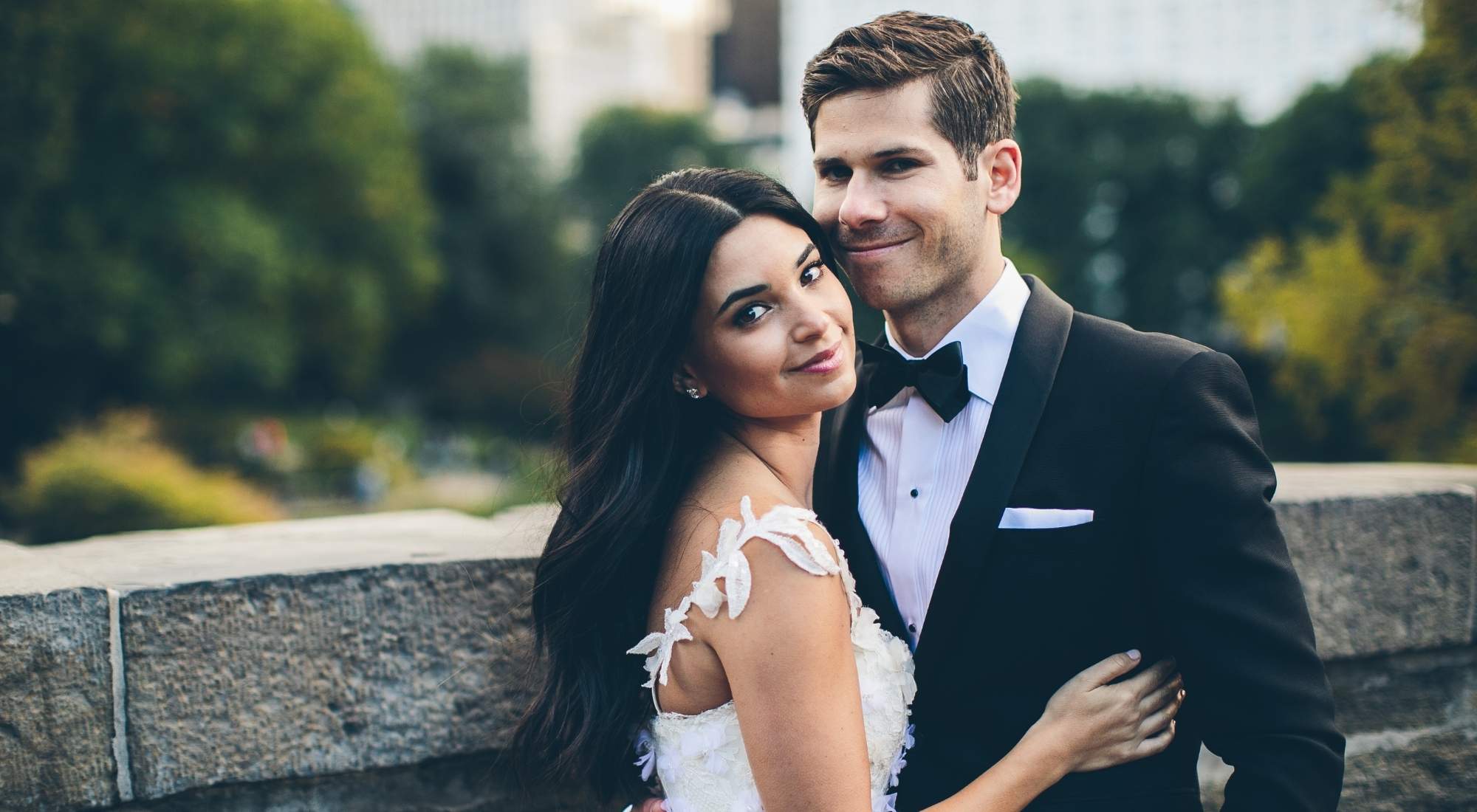
The best wedding poses do not look like poses. They begin with good light, a useful direction, and enough movement for you to stop thinking about the camera.
This guide shows 15 wedding pose ideas for engagement portraits, couple portraits, and wedding-party photos. Use them as starting points, not a checklist. The goal is to create photographs that still feel like you.
Reviewed September 2026. Julian Ribinik Studios has photographed more than 300 weddings since 2007.
Table of Contents
- Are There Standard Wedding Poses Every Couple Should Do?
- How Do the Most Unique Wedding Photo Poses Come About?
- 15 Natural Wedding Poses for Photos
- 8 Natural Wedding Day Poses
- 3 Wedding Party Photo Poses
- What are the best wedding poses for natural photos?
- What if we feel awkward in front of the camera?
- Do candid wedding photos require posing?
- How long should couple portraits take?
- Should we send our photographer a wedding pose list?
- What should we do with our hands in wedding photos?
- Do we need a formal wedding portrait looking at the camera?
Are There Standard Wedding Poses Every Couple Should Do?
The short and simple answer is no, there should not be a standard set of poses every couple should do.
Every couple is unique and it’s the photographer’s job to make sure that your photos reflect that on your wedding day.
Julian Ribinik Studios has photographed more than 300 weddings since 2007. The point of that experience is not to cycle through a fixed pose list. It is to read the light, the setting, and the way each couple naturally connects, then offer just enough direction to make the photograph work.
How Do the Most Unique Wedding Photo Poses Come About?
While some poses work best for certain factors, it’s important that the photo looks and feels natural.
Technically every couple is posed, but direction from a skilled photographer will take these factors into account to make sure that poses come about naturally while still looking great.
Comfort and Body Language
A pose has to work for the people in it. Tell your photographer about preferred angles, movement considerations, clothing details, or anything else that affects how comfortable you feel. Good direction should make you feel more at ease, not more self-conscious.
Chemistry
It’s important to capture the chemistry between you and your partner.
That can be difficult if you’re more focused on holding your arm here or foot there.
Photographers aim to capture the magic that happens when you look into each other’s eyes and forget the whole world exists.
Lighting
Light and shadow both shape a photograph. The important part is placing the couple deliberately, so faces, clothing, and the surrounding scene work together.
Your photographer should be sure to pose you in a way that makes the most of the lighting and can even use it to create a beautiful effect.
Setting and Surroundings
The setting should contribute to the photograph rather than compete with it. In New York, that might mean using the geometry of a Manhattan interior, the movement of a street, or a quiet pocket of Central Park. The photographer’s job is to choose a clean angle, useful light, and a position that still keeps the couple at the center of the frame.
What to Do With Your Hands in Wedding Photos
Hands look natural when they have a purpose. Hold your partner’s hand, rest lightly on a sleeve, shoulder, or waist, carry a bouquet without gripping it, adjust a jacket, or place one hand in a pocket with the thumb visible. Small actions are usually more convincing than arranging every finger.
If your hands begin to feel stiff, release the pose and move. A photographer should notice tension, reset the direction, and give you something simple to do rather than asking you to hold an uncomfortable position.
Why One Camera-Facing Wedding Portrait Still Matters
Not every wedding portrait needs to look candid. One clean camera-facing photograph records the couple, clothing, and setting clearly, and it is often the frame families choose to print. Direct does not have to mean stiff: relaxed posture, comfortable spacing, and a brief moment of eye contact are enough.
Make that photograph efficiently, then return to movement and interaction. Documentary coverage and a well-directed formal portrait are not opposites. A complete wedding gallery benefits from both.
15 Natural Wedding Poses for Photos
4 Natural Engagement Photo Poses
If you’re feeling camera shy, a good way to warm up to the lens (and your photographer) is by doing an engagement photoshoot.
Engagement photoshoots are great because:
- They allow the photographer to get to know you as a couple ahead of time
- You get some beautiful photos to celebrate your engagement
- You can use these photos to send out with your announcement or save the dates
Since engagement shoots tend to be a little more casual, it’s easy to allow yourself to just be with your partner and let the photographer capture the moments naturally.
Here are just a few examples of engagement poses that turned out beautifully when we let the couples forget about the camera.
Walk Together Instead of Standing Still
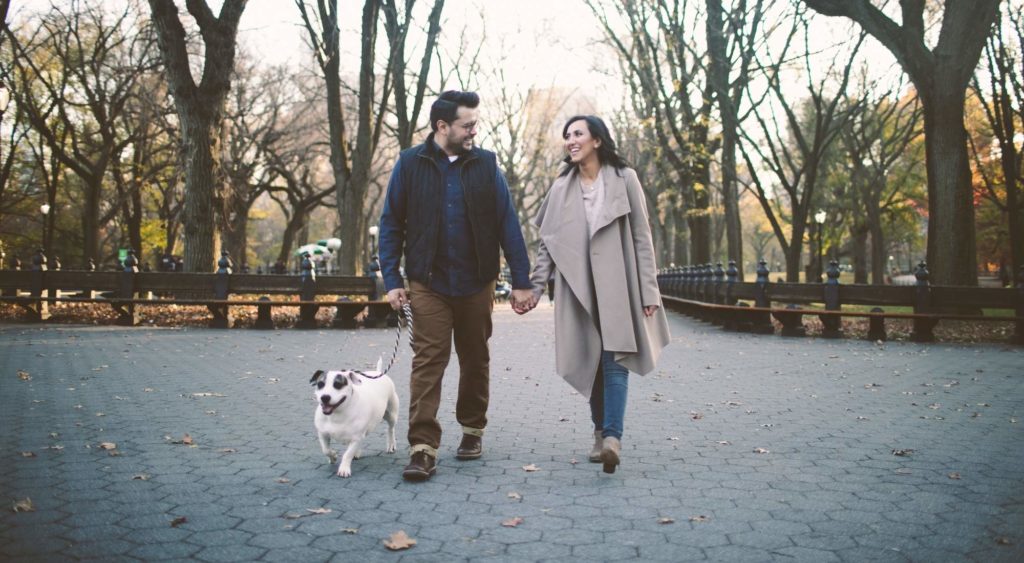
Walking hand in hand and enjoying each other’s company is a great way to connect without feeling posed. No doubt you’ve taken countless romantic strolls with your partner, so don’t let this one be any different. Just slow down the pace and strike up a conversation.
Use a Gentle Kiss, Not a Forced One
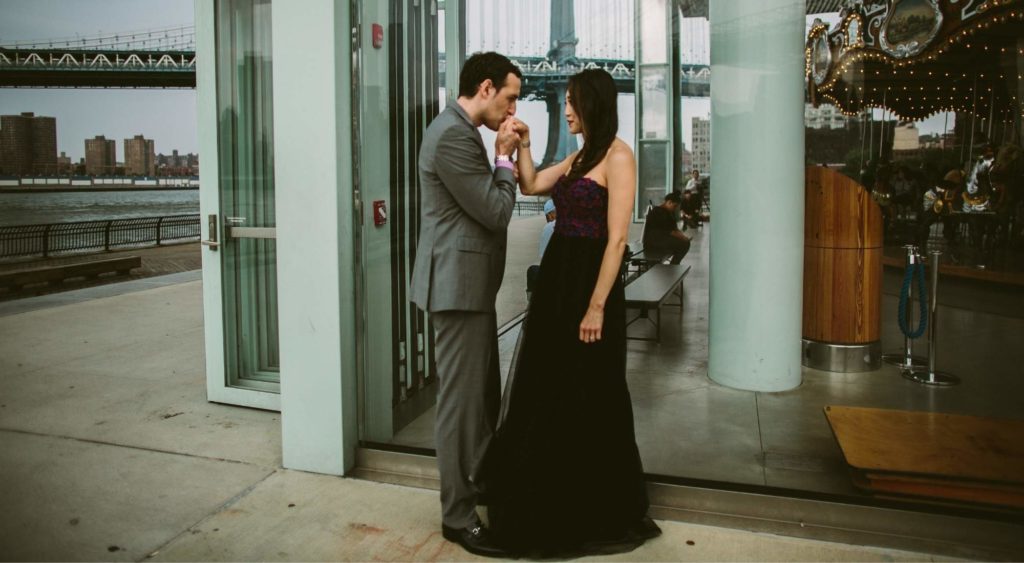
There’s nothing sweeter than a gentle kiss. Whether it’s on the hand or forehead, do what feels natural to you. Keep it small and unhurried so it reads as connection rather than performance.
Create a Quiet Moment in a Busy Place
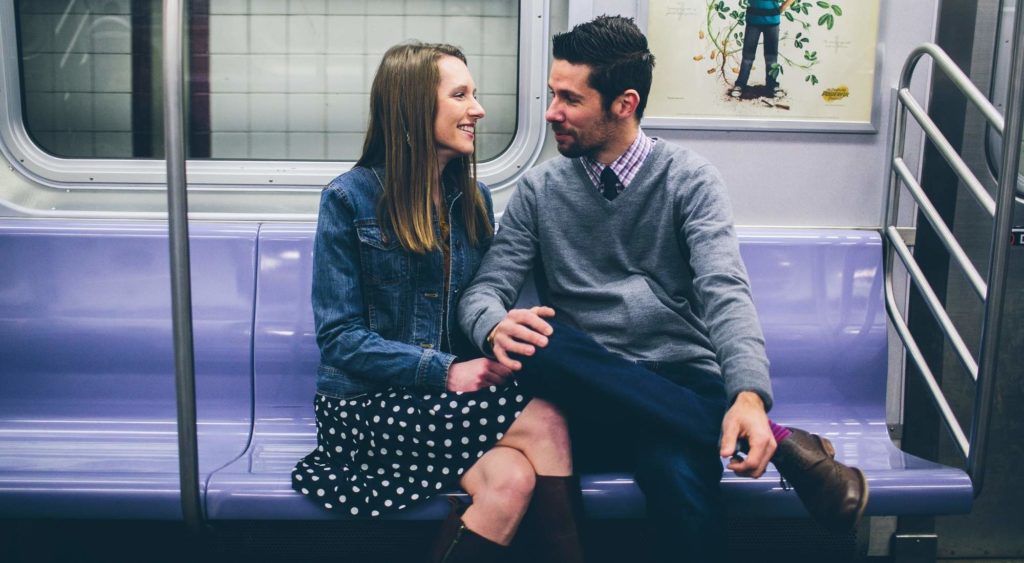
Sometimes the best moments are captured when you and your partner are having a moment in the most public of spaces. It’s that feeling when the whole world around you melts away and it’s only the two of you. It doesn’t need to be on the subway train or in the middle of Times Square, so long as you are in tune with each other and leave everything else behind.
Settle Into a Close Embrace
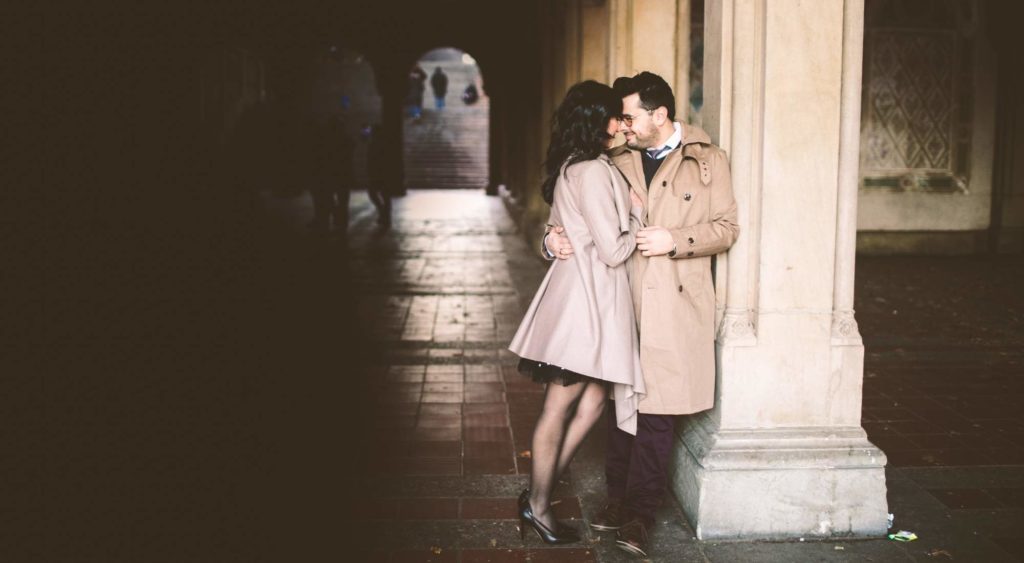
A simple squeeze is all it takes. Your photographer may direct you on which arm to put where to make sure you’re not blocking your partner’s face, but it’s most important that the squeeze feels natural.
8 Natural Wedding Day Poses
Hold Hands and Turn Toward Each Other
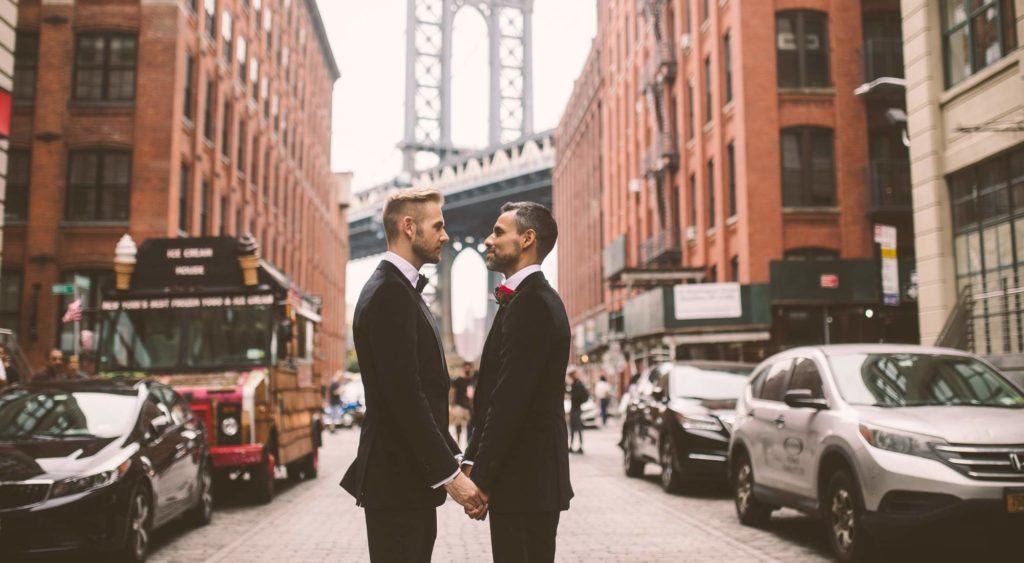
A photo of the happy couple holding hands and looking into each other’s eyes is one of the classic wedding photo poses and will always be timeless.
Let the First Look Unfold
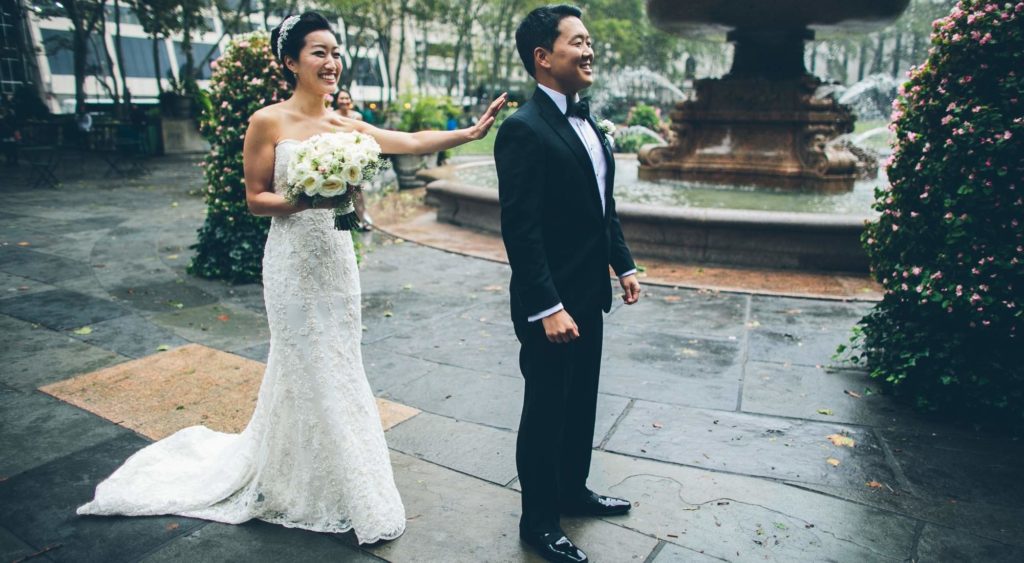
If you plan a first look, let the moment unfold. For the best first look photos, embrace the moment. Let it unfold and don’t think about the photographer at all. A great professional photographer will capture the emotion of the moment without you even noticing.
Stay Close Without Looking at the Camera
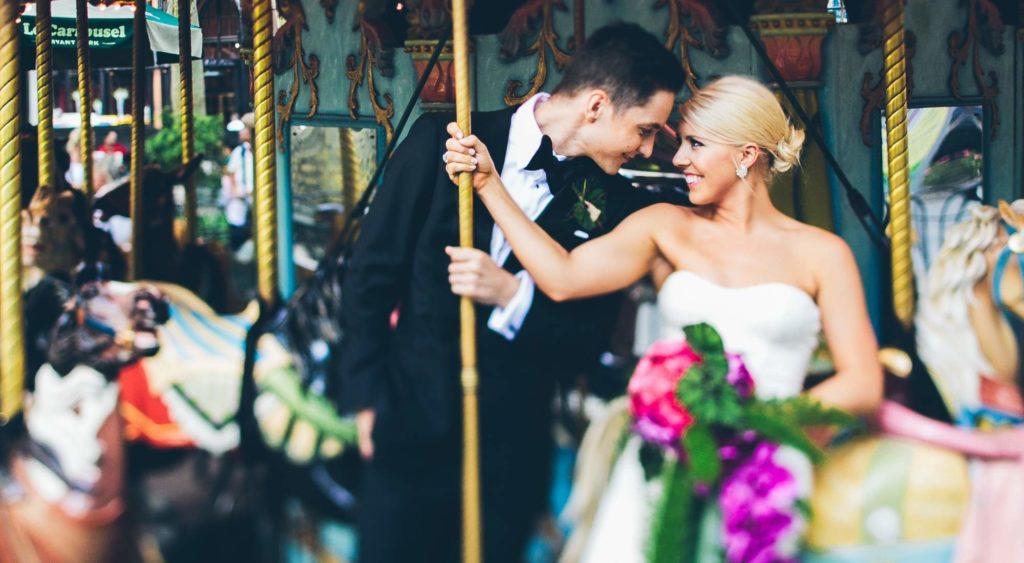
Intimate moments look great when they’re caught without you looking at the camera. Enjoy these moments and try not to look at the photographer; even better, forget they’re there at all.
Add Movement to a Formal Portrait
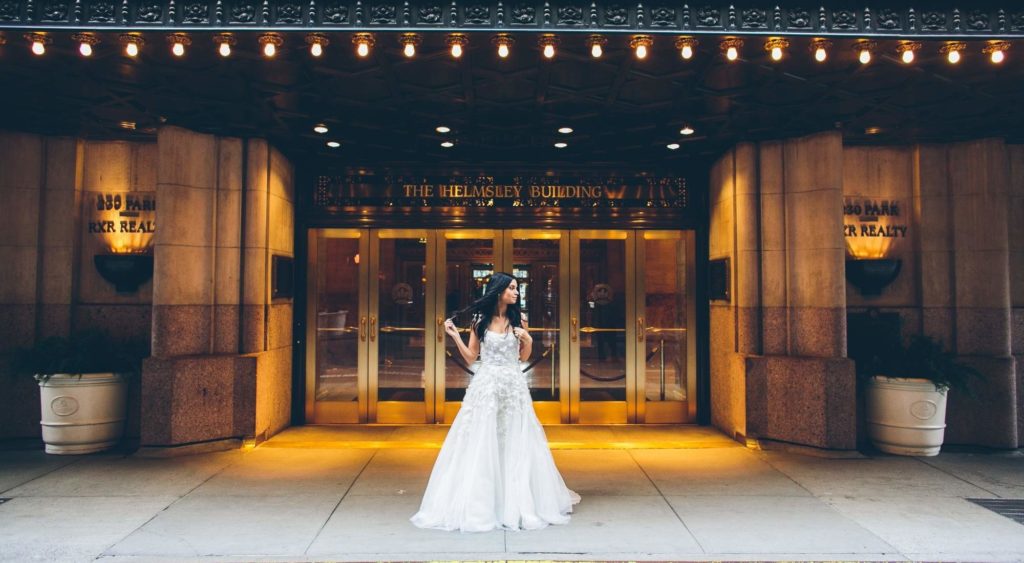
Sometimes movement is all you need. Moving around naturally as if the camera wasn’t there helps to loosen you up, then you feel and look most like yourself.
Use a Quick Look Back
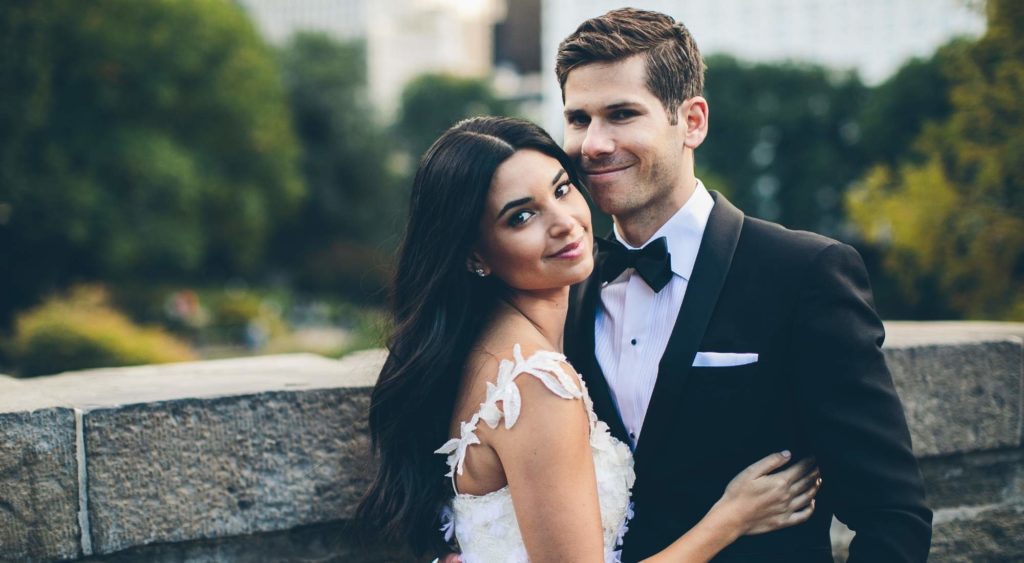
A quick glance back creates eye contact without turning the portrait stiff. It works especially well after a quieter frame where the couple is focused on each other.
Prompt Real Laughter
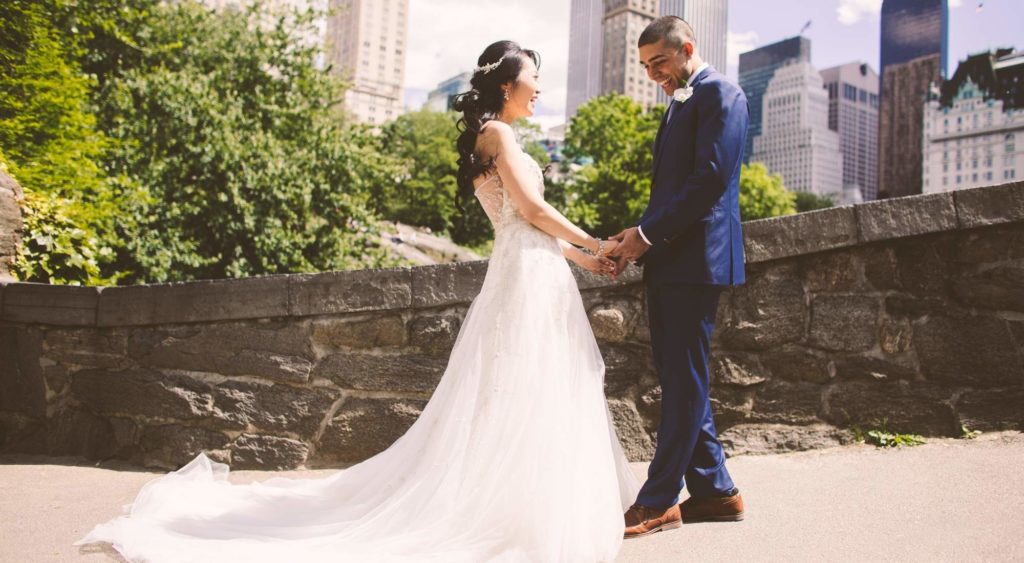
Candid laughter always looks better on camera than forced moments. Whisper an inside joke to your partner to lighten up the mood and let your wedding photographer catch the way your faces light up. This works great for both couples and wedding party portraits.
Let an Embrace Find Its Own Shape
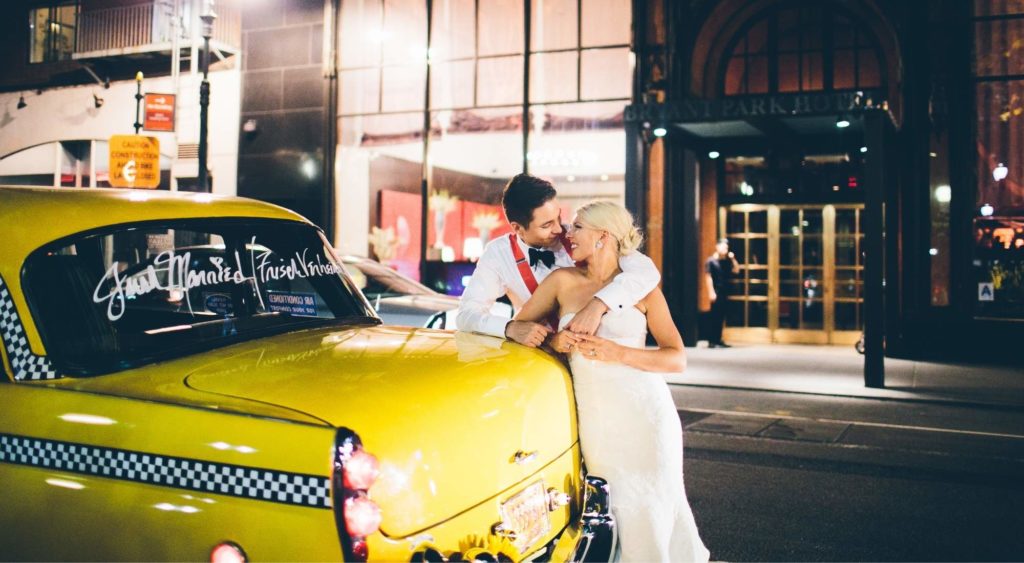
Casual poses that come about when you and your partner naturally embrace each other are the most authentic. A great photographer will let the couple interact, then observe and give spontaneous direction based on how they move with each other.
Sit Together Without Over-Posing
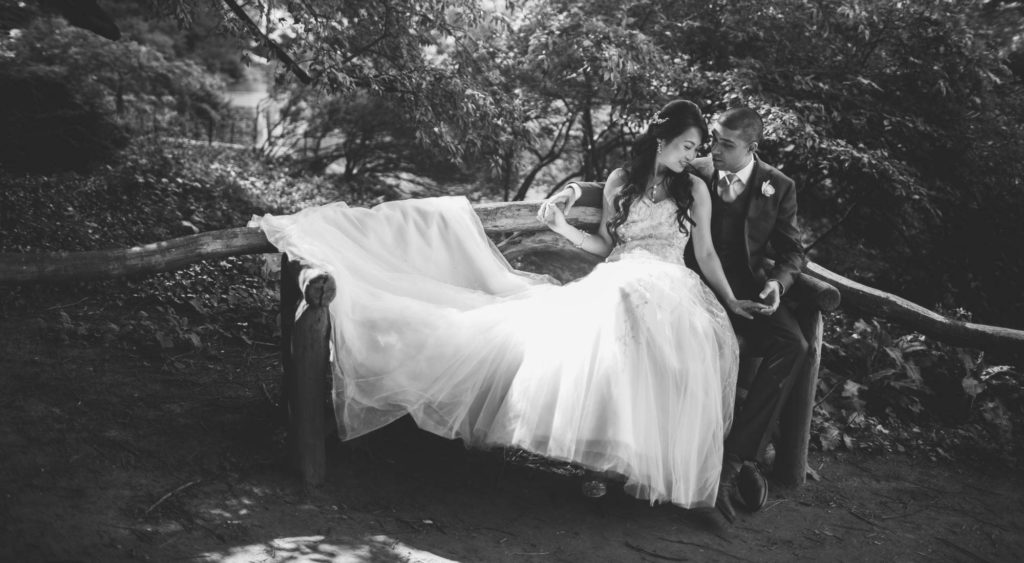
A seated portrait works best when the pose follows the shape of the space. Sit close, settle into a comfortable position, and let the interaction matter more than perfect symmetry.
3 Wedding Party Photo Poses
Bring the Wedding Party’s Attention Toward the Couple
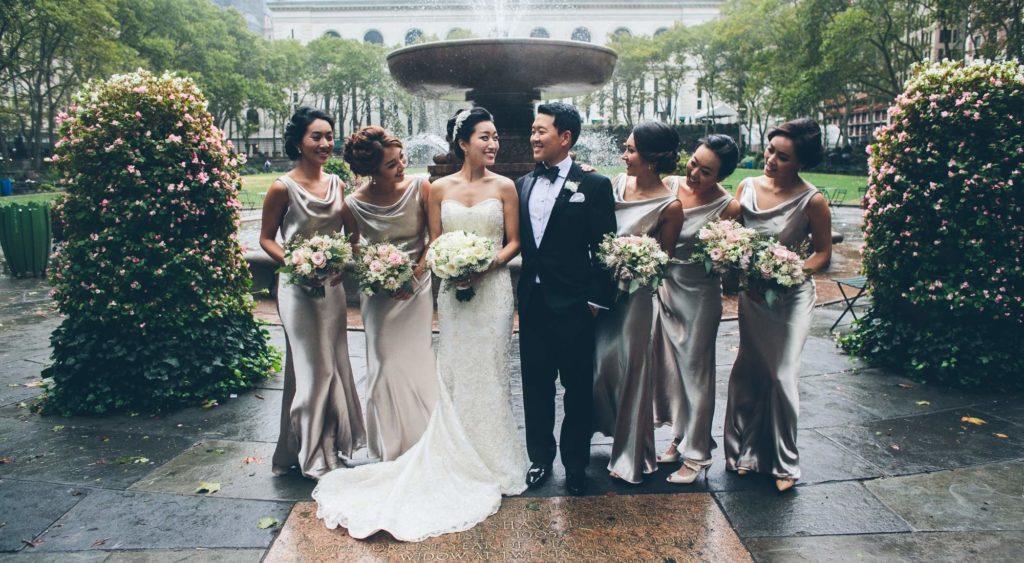
Ask the wedding party to turn their attention toward the couple. The direction is simple, but it creates expression and connection without forcing everyone into the same pose.
Photograph the Group Taking Its Own Selfie
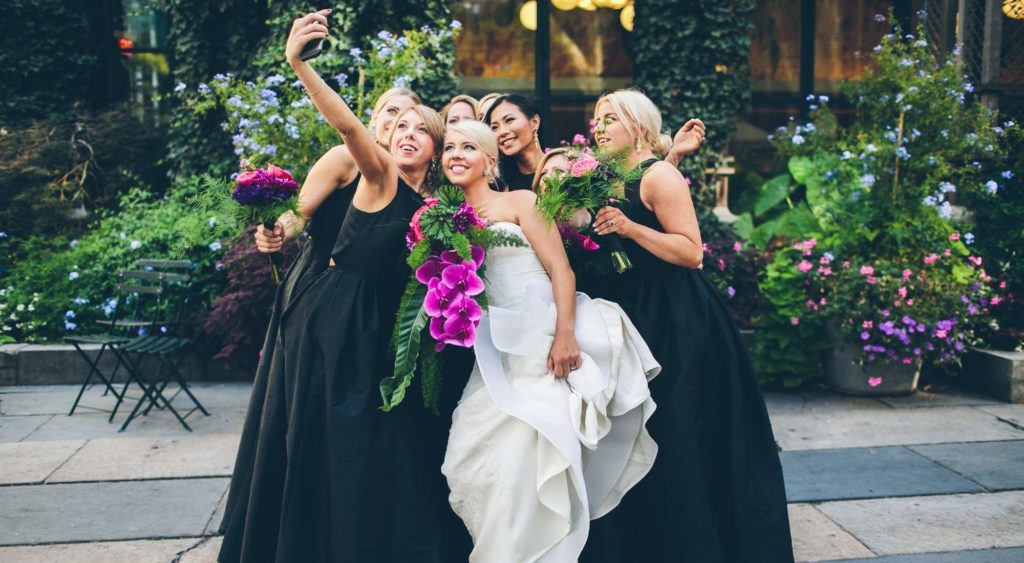
Sometimes the best photos are candid and caught in a selfie, but in large groups someone’s bound to get cut out of the shot. Let the wedding party gather in for their own selfie while the photographer sneaks in a wider shot of the moment.
Make One Clean Full-Group Portrait
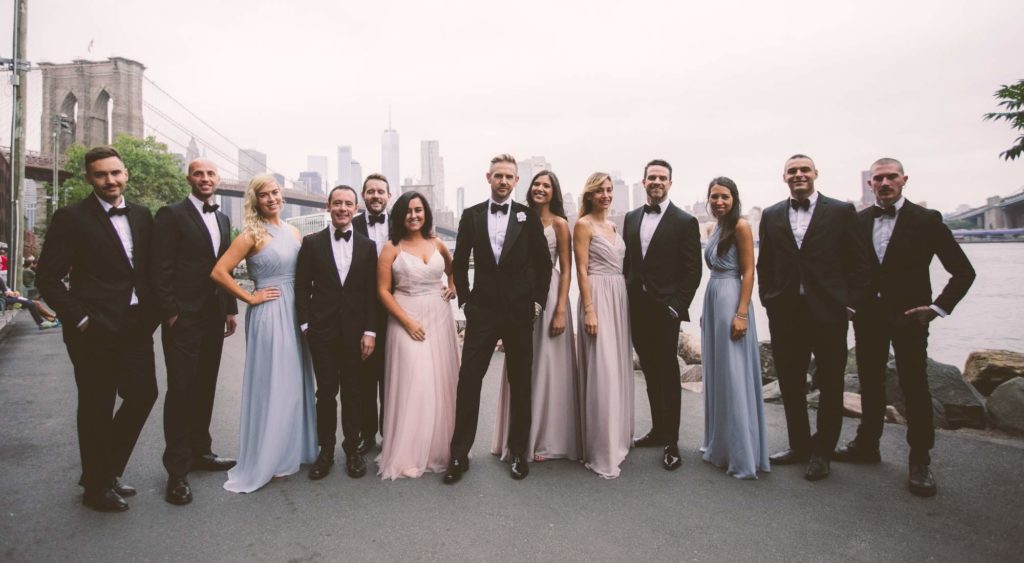
Make one clean full-group portrait, then give the wedding party room to show some personality. The formal frame matters, but the looser photographs often reveal more about the group.
Wedding Pose Questions
What are the best wedding poses for natural photos?
The most natural wedding poses create interaction: walking together, turning toward each other, settling into a close embrace, or responding to a simple prompt. The best choice depends on the couple, the clothing, the light, and the setting.
What if we feel awkward in front of the camera?
Tell the photographer. A good place to begin is movement rather than a fixed position. Walking, talking, and small prompts make it easier to focus on each other instead of the camera. You do not need to memorize poses before the wedding.
Do candid wedding photos require posing?
True candid moments are observed rather than staged. During portraits, a photographer may choose the light and offer a starting direction, then let the interaction unfold. That balance is central to photojournalistic wedding photography.
How long should couple portraits take?
There is no universal number. Efficient portrait time depends on travel, family-photo timing, venue access, and available light. A well-built timeline protects portrait time without turning the wedding into a photo shoot.
Should we send our photographer a wedding pose list?
Share must-have people, meaningful relationships, and any photograph ideas that matter to you. A minute-by-minute pose list can make the day feel rigid. It is usually more useful to discuss priorities, then let the photographer respond to what is actually happening.
What should we do with our hands in wedding photos?
Give your hands a purpose: hold each other, rest a hand lightly on a sleeve, shoulder, or waist, carry a bouquet naturally, adjust clothing, or use a pocket. If the position starts to feel stiff, release it and move rather than forcing the pose.
Do we need a formal wedding portrait looking at the camera?
Yes, one clean camera-facing portrait is worth making. It clearly records the couple, clothing, and setting, and it is often the photograph families choose to print. It can be made quickly without turning the rest of the portrait session into a series of stiff poses.
More Guides for Natural Wedding Photographs
Julian Ribinik Studios combines clear portrait direction with close observation, so the photographs have structure without losing the people inside them.
Planning wedding portraits in New York
Wedding photography in New York, South Florida and beyond