
How to Feel Confident in Your Wedding Photos — A Guide for NYC Couples
How to feel confident in wedding photos is the question we hear most often from couples in the months before the day. After photographing hundreds of weddings in this city, the pattern is clear: the couples who end up loving their photos most are not the ones who arrived with a perfect plan for how to stand. They are the ones who arrived ready to forget the camera. The dress, the venue, the golden hour over the Hudson — all of that comes through on its own. What does not come through on its own is presence. So we put together everything we tell our couples in the weeks before their wedding, in the order we usually say it.
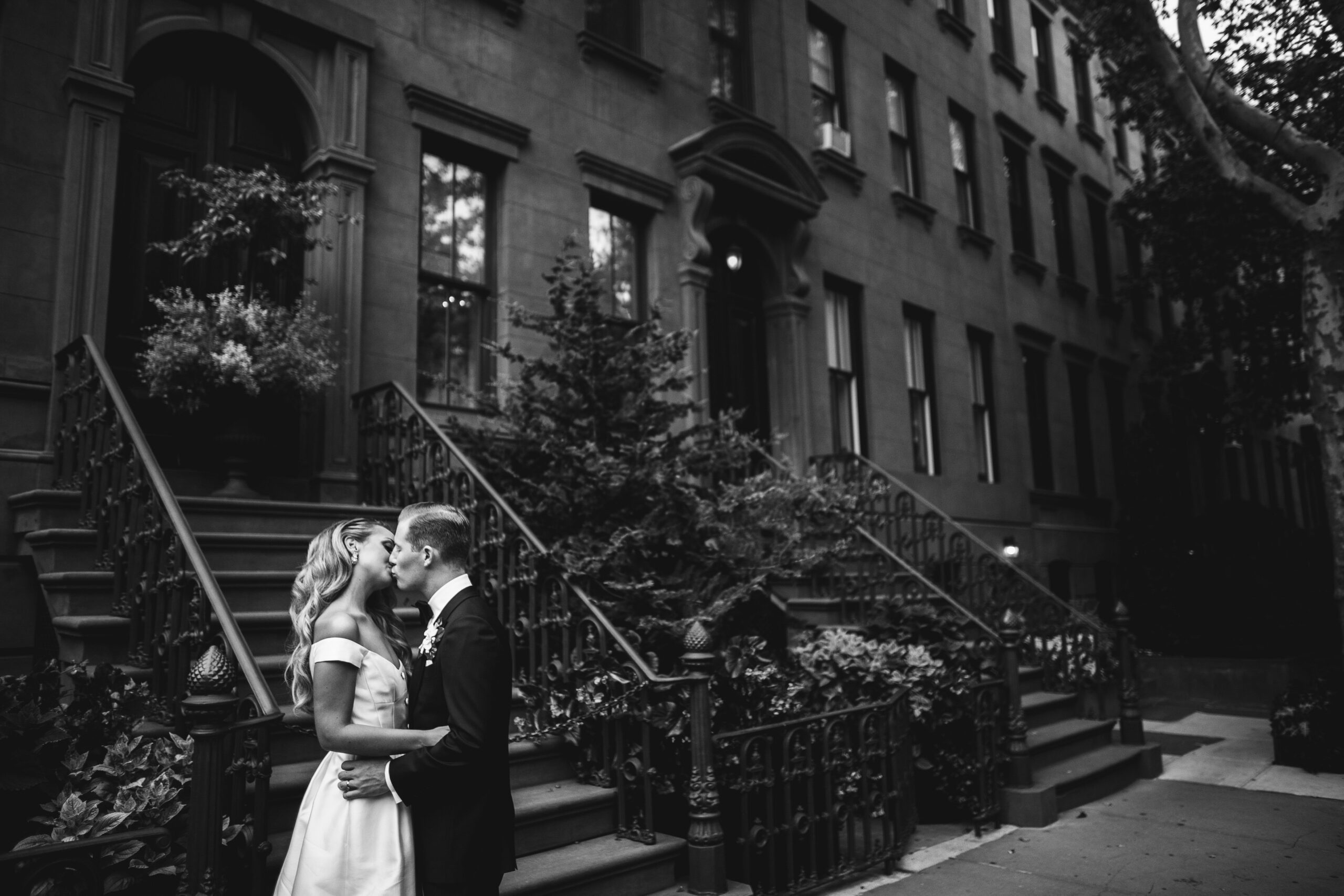
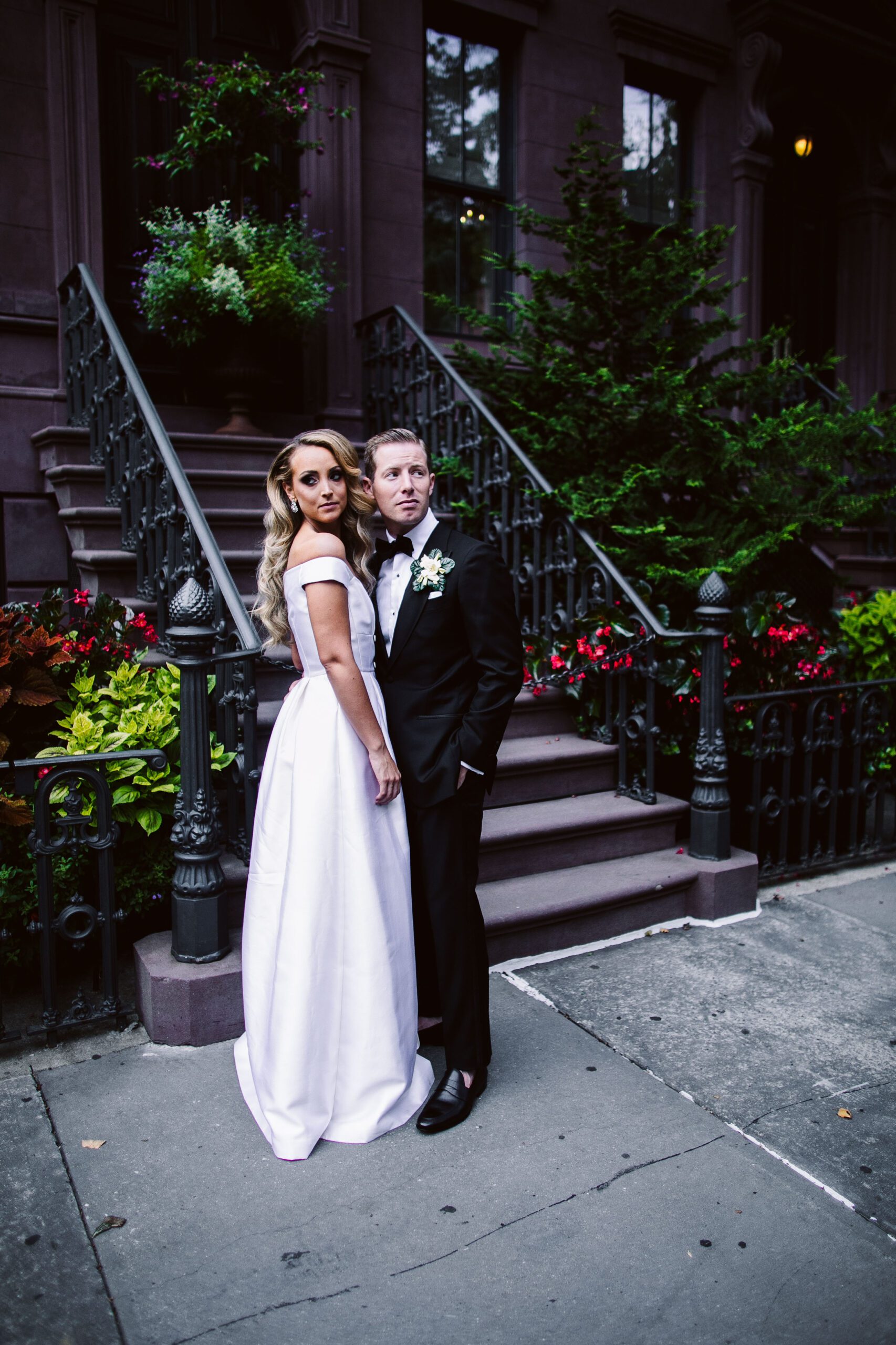
How to Feel Confident in Wedding Photos: Start With the Right Photographer
There is a strange logic to this industry where couples spend months looking at portfolios and minutes on the actual person. We would flip it. The work matters — of course it matters — but you are about to spend ten to fourteen hours of one of the most emotional days of your life next to whoever you hire. That person’s energy is going to be inside every single photograph, whether you can see them in the frame or not.
When you meet a photographer, pay attention to what your shoulders do. Do they drop, or do they stay up by your ears? Are you talking, or are you performing? If something feels off in a coffee meeting, it will feel worse when you have a veil pinned to your head and a room full of people watching. Pick the person you would actually want around. (Wedding industry guides like The Knot are great for browsing portfolios, but the meeting is where you decide.)
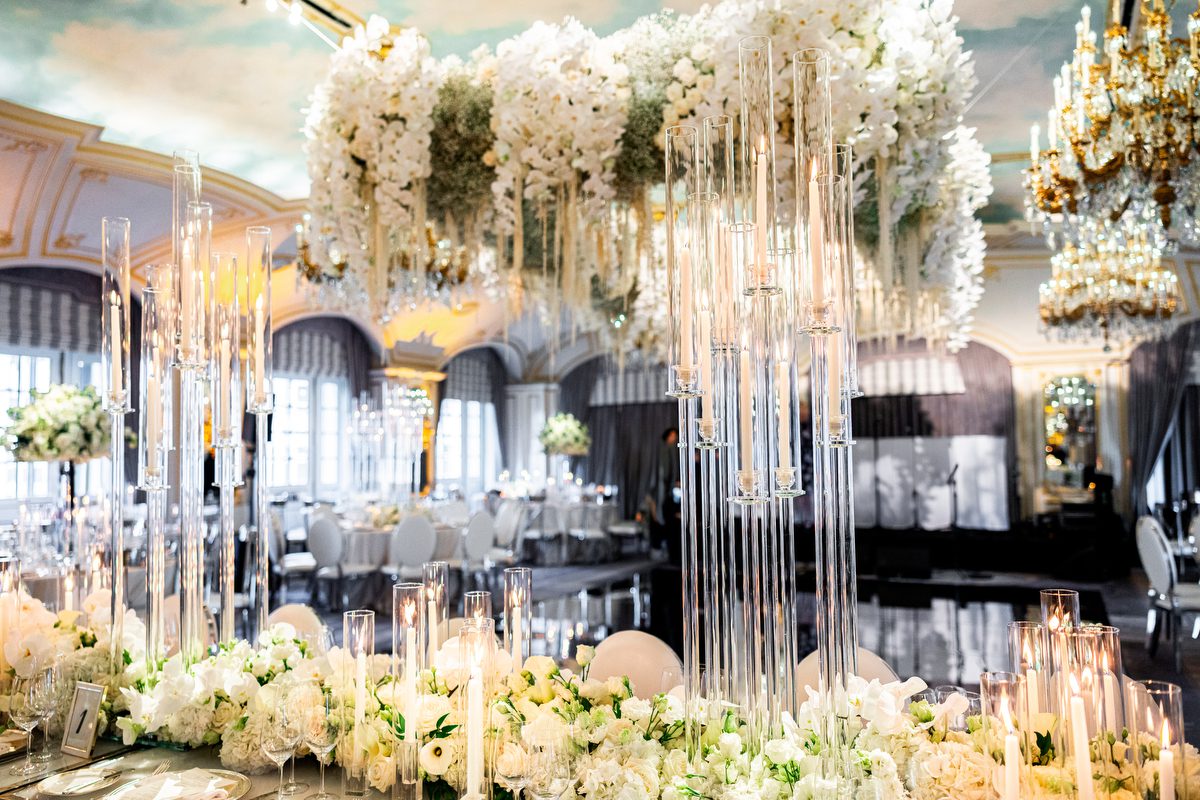
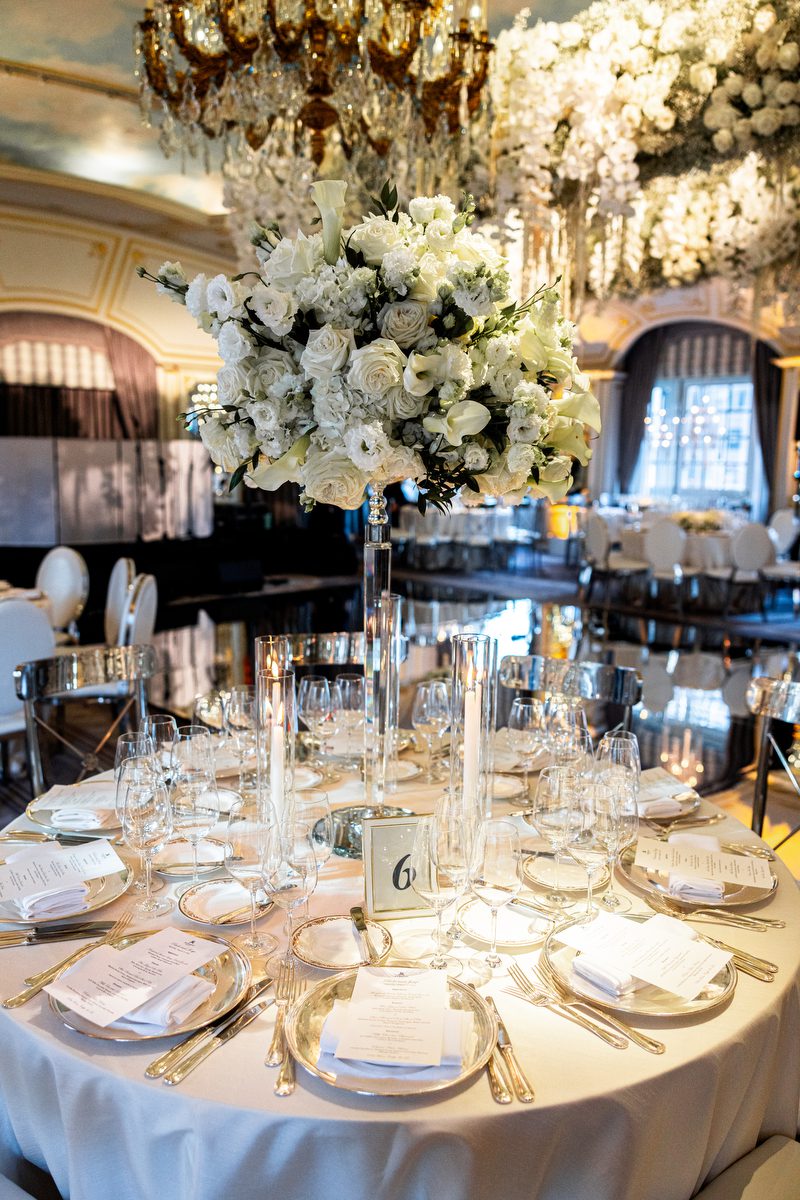
The Engagement Session Is the Cheat Code
Almost every couple who has told us they hate being photographed has changed their mind by the end of the engagement shoot. Not because we did anything clever — we just spent ninety minutes with them and a camera, and by minute twenty, they forgot what to do with their hands and started talking to each other. That is the whole point.
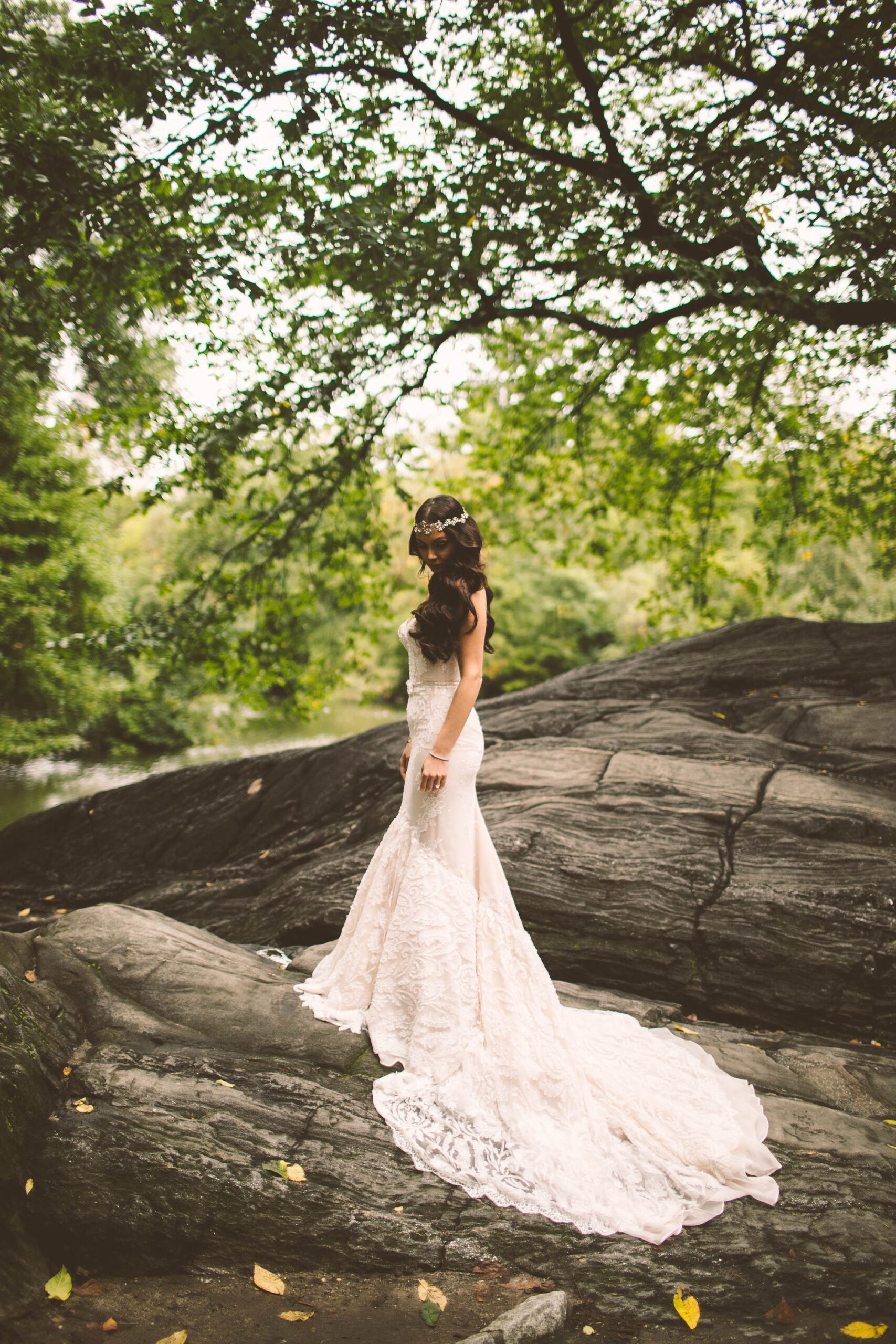
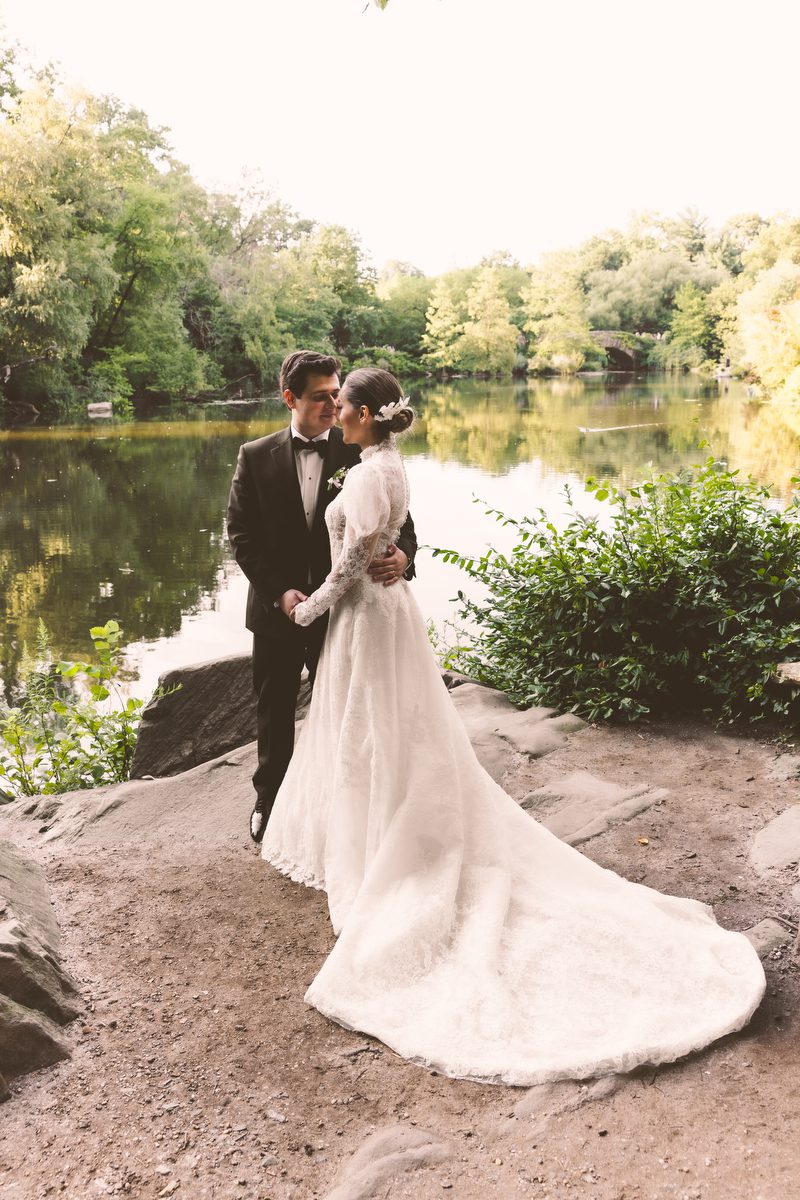
The engagement session is not really about the photos. It is a rehearsal. You learn what we sound like when we are directing. We learn how you laugh, which of you gets shy first, who reaches for whose hand. By the wedding day, the camera is not a stranger anymore — it has already seen you on a Tuesday in Central Park, eating a bagel, and you survived. So when we lift it again on the wedding day, your body remembers it is fine.
Tell Us What Matters Before the Day
Vendors quietly carry a lot of information on the wedding day. Who is divorced and not standing next to whom for family photos. Which grandparent cannot do stairs. The ring that belonged to your great-aunt and absolutely needs its own portrait. The fact that one of you cries during the vows and the other one cracks jokes when nervous.
We need that intel before the day, not at the first look. The pre-wedding questionnaire is not a formality — it is the document that lets us spend the actual wedding paying attention to you instead of asking logistical questions. Send the family list. Send the must-have shots. Send the things you are nervous about. We would rather know your insecurities now so we can quietly work around them than discover them in real time.
“Build padding into every section of the day. The walk from suite to ceremony in a Manhattan venue is never as short as the floor plan suggests, and a fifteen-minute buffer in the morning is the difference between a couple sipping coffee and a couple running late.”
— Ani Wolff, wedding planner —
Wear Something You Can Actually Move In
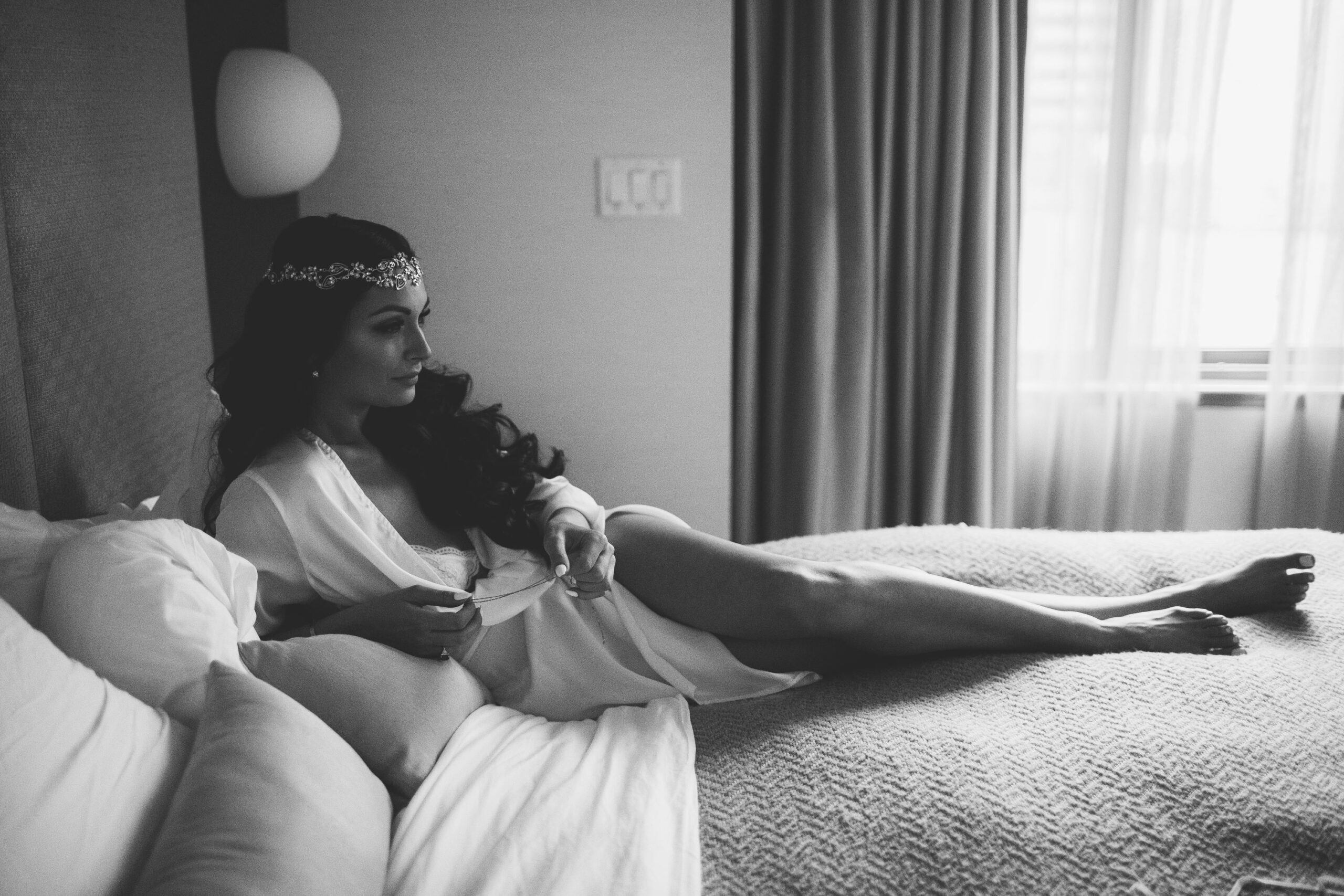
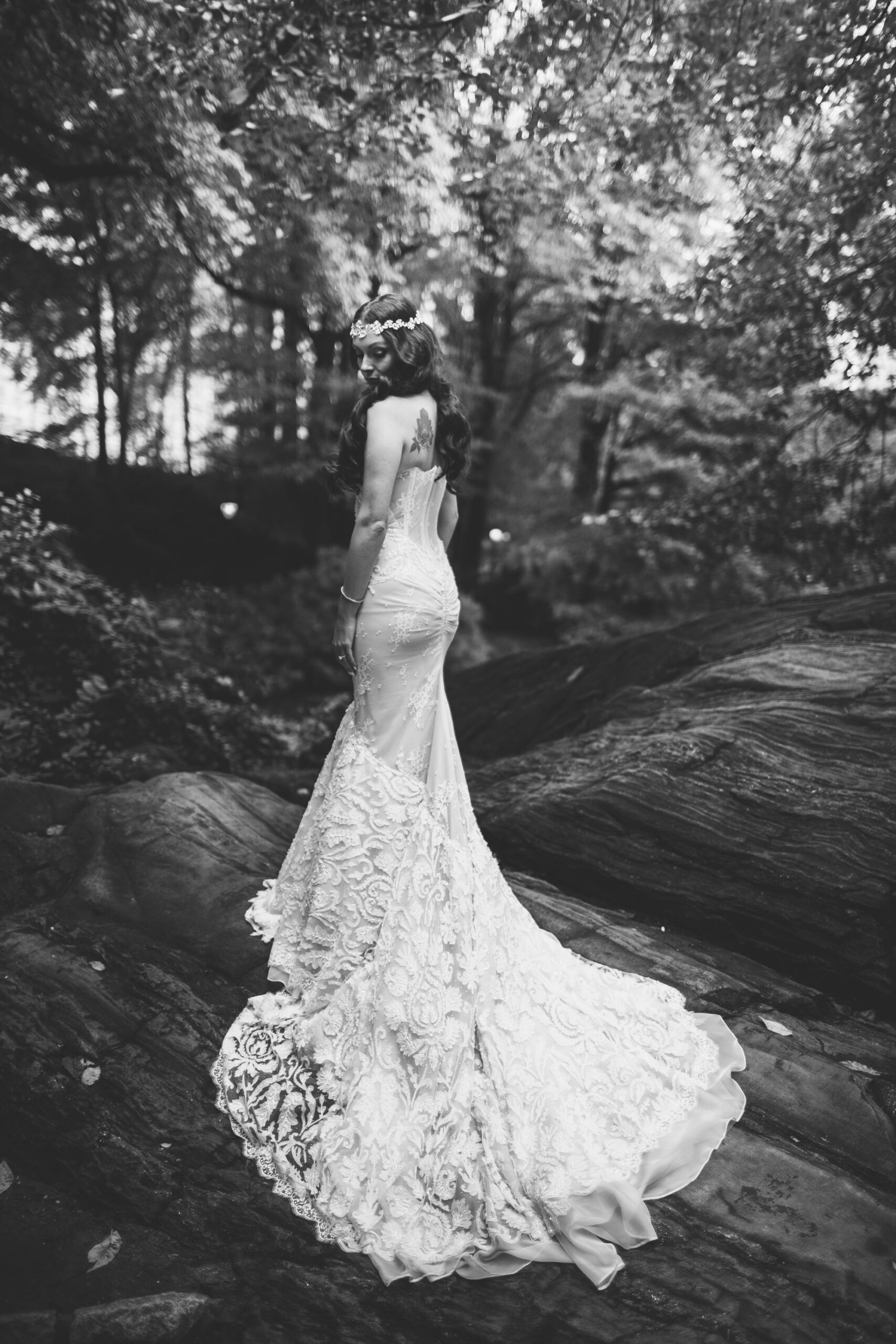
We have seen couples spend a year choosing the dress and an hour choosing the shoes, and pay for it all night. A dress that pinches when you sit, heels you cannot walk three blocks in, a strap that needs to be tugged every photo — the camera reads all of it. Tense shoulders look tense. A hand frozen near a slipping neckline looks frozen.
Try the full look on for an hour at home before the wedding. Sit. Bend. Reach overhead. Walk a flight of stairs. If anything is fighting you in your living room, it will fight you harder at the Plaza.
“The most photogenic gown is the one you stop thinking about the moment it’s on. If you’re aware of it, the camera is aware of it too.”
— Francesca DiSpirito, bridal stylist —
Build a Slower Morning Than You Think You Need
Nothing tightens a face in photos like rushing. We can read the difference between the couple who got into the suite at ten with hair still wet and the couple who arrived the night before, slept, and woke up unhurried. It is in the jaw.
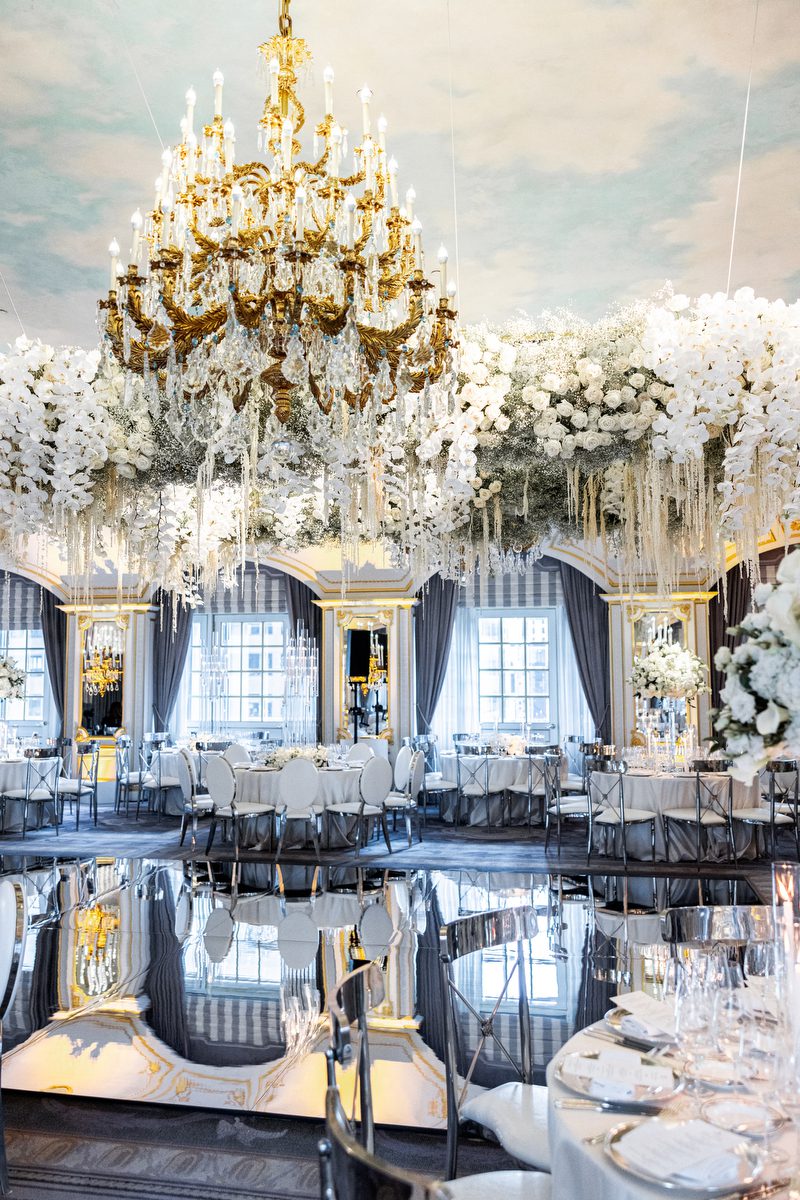
A New York wedding morning eats time in ways that surprise people every time — service elevators, the freight entrance, a hair-and-makeup team waiting in a hallway because the room is not ready, the photographer (us) needing twenty minutes for detail shots of the rings and invitation suite before anyone is dressed. Build the buffer. Then build another buffer on top of that one.
Set the Room With Sound
The fastest way to change the energy of a getting-ready suite is a speaker. We have walked into rooms where everyone was on their phones, silent, and within ten minutes of someone putting on the right playlist, the bridal party was dancing in robes and the photos of that turned into half the album.
Build a getting-ready playlist before the wedding. Not the ceremony music — that is its own thing — but the soundtrack to the hours of bobby pins and false eyelashes — even a free Spotify playlist works. Music tells the room what kind of day this is.
Let Your People Hype You
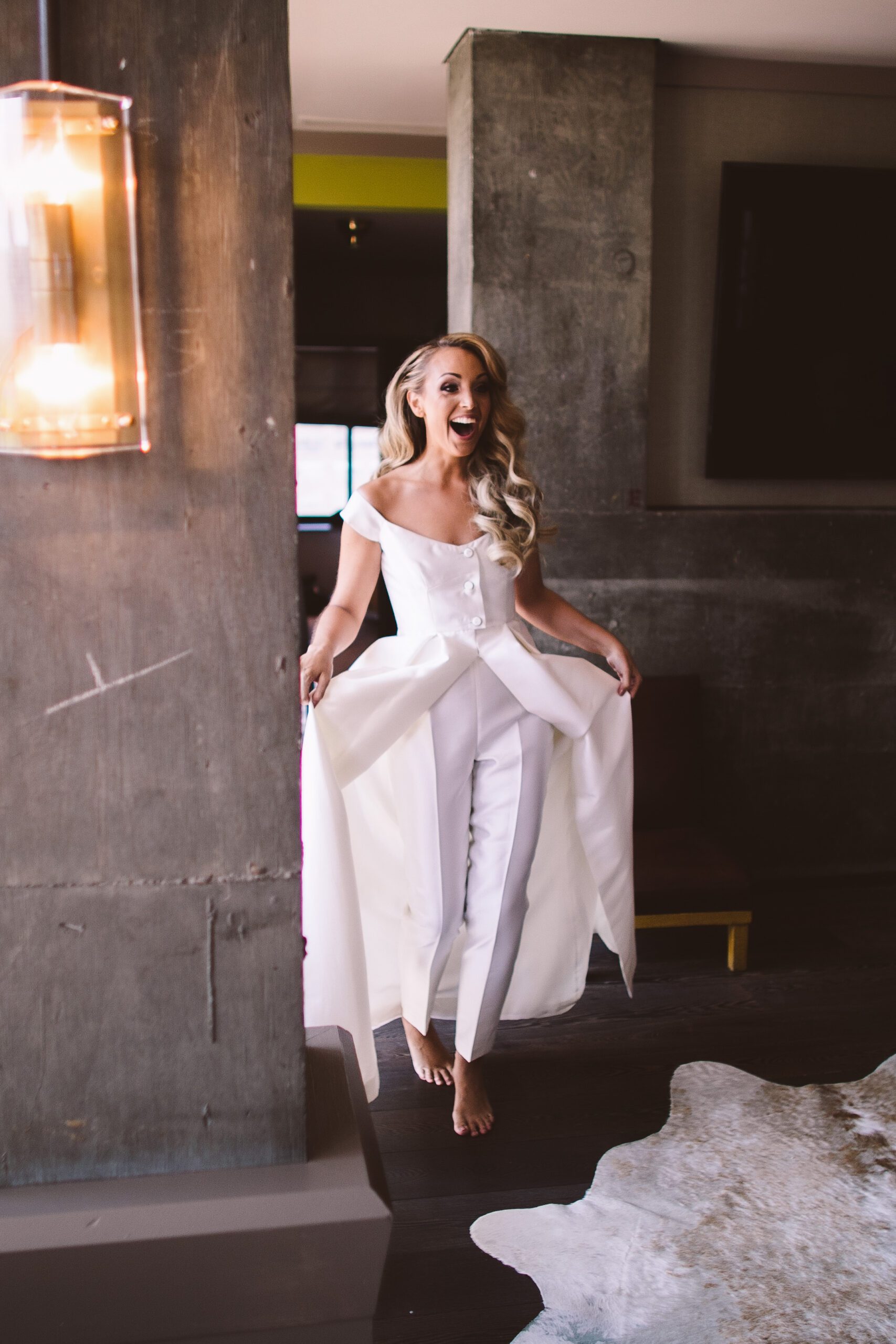
Solo bridal portraits are the part of the day couples most often dread. The dress is on, the camera is up, your mother is somewhere down the hall, and suddenly it is just you and a stranger asking you to laugh. That is rough for anyone.
We always invite the wedding party to come over during portraits. Not to be in the photos — just to stand off camera and yell something kind at you. The portrait you will love most is almost always the one taken a half-second after your maid of honor said something only she would say.
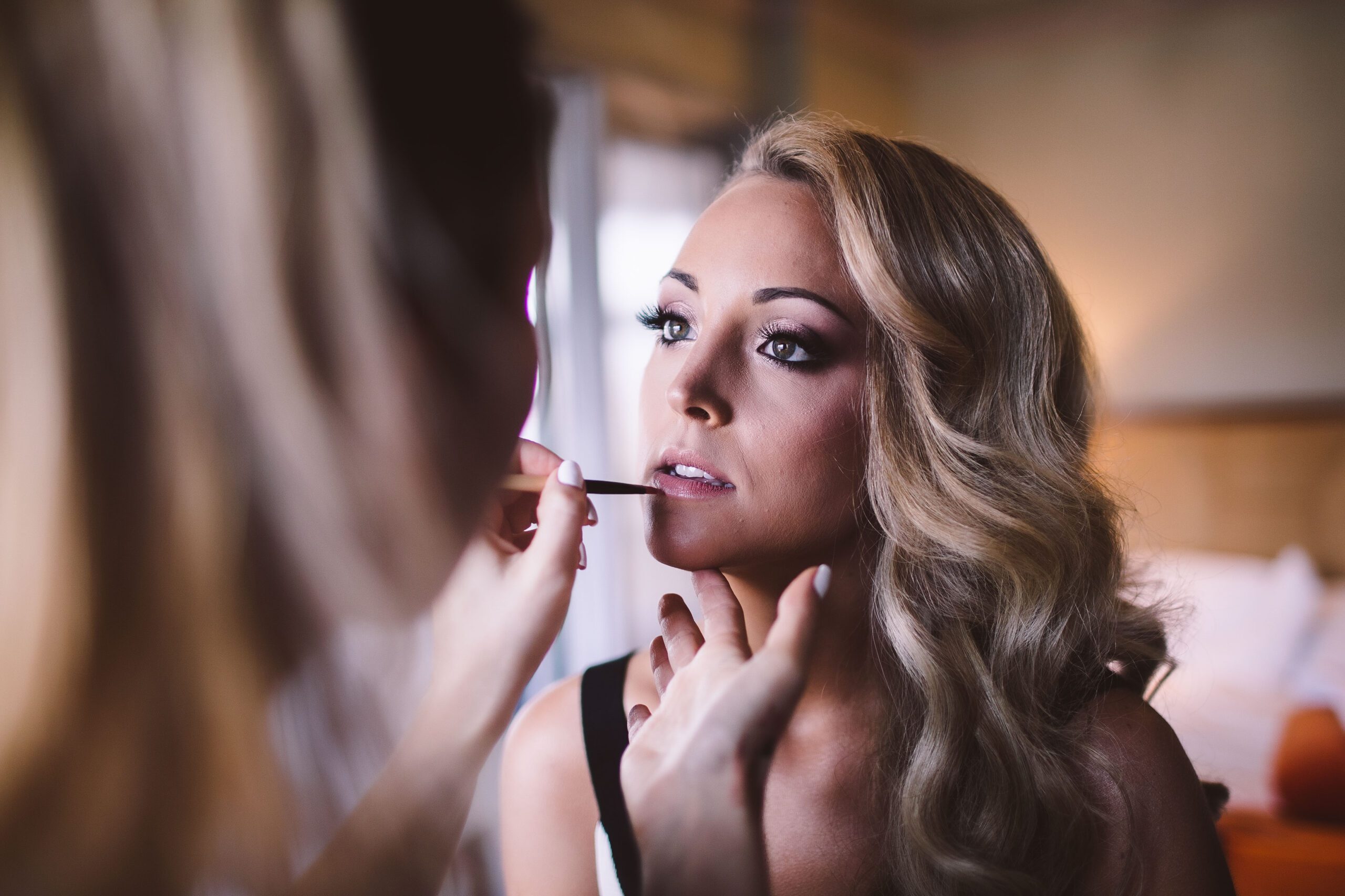
“If you have never worn a smoky eye, your wedding day is not the day to try. The version of you you have practiced being is the version that photographs like you.”
— Julia Valldi, makeup designer —
Look at Each Other, Not at Us
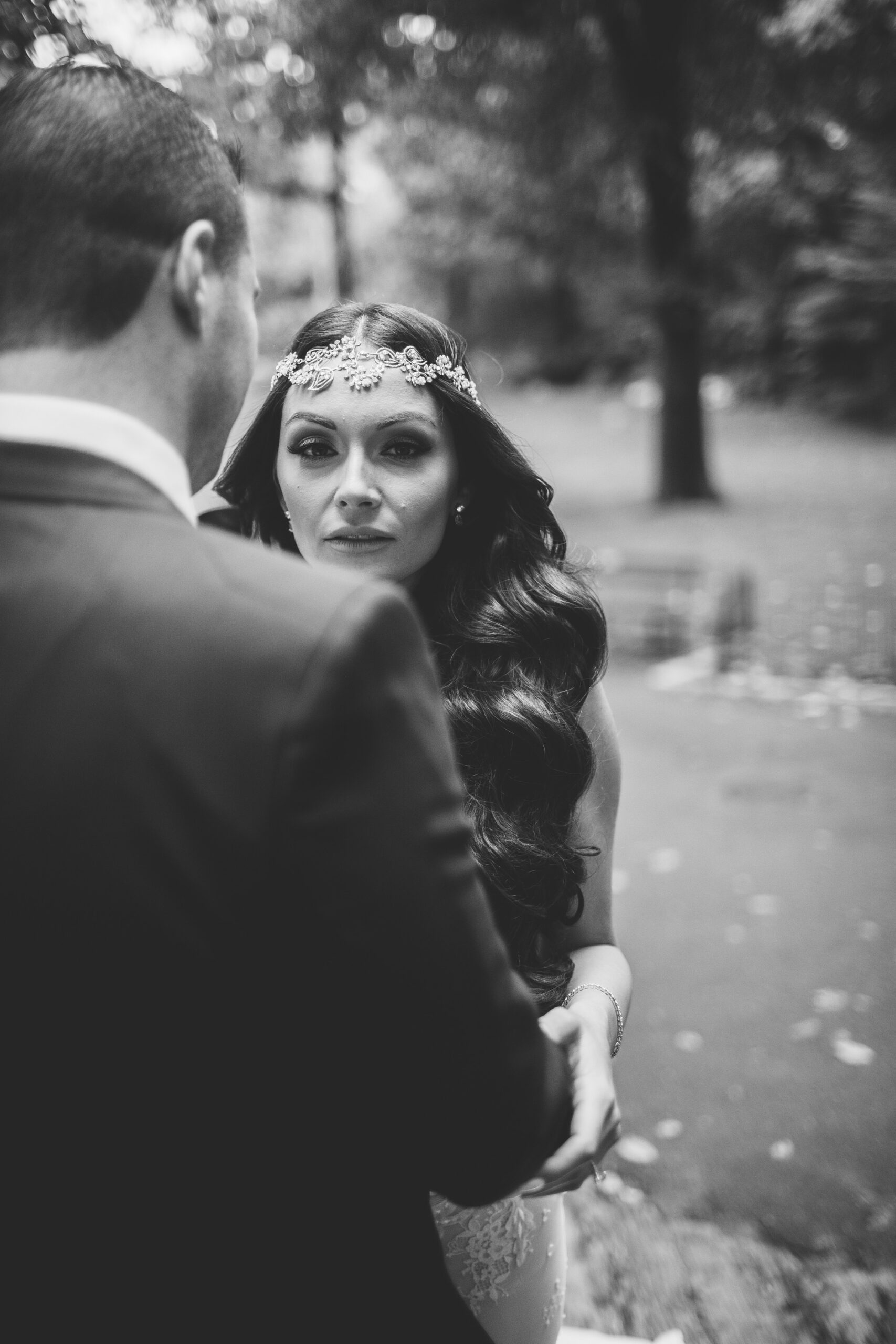
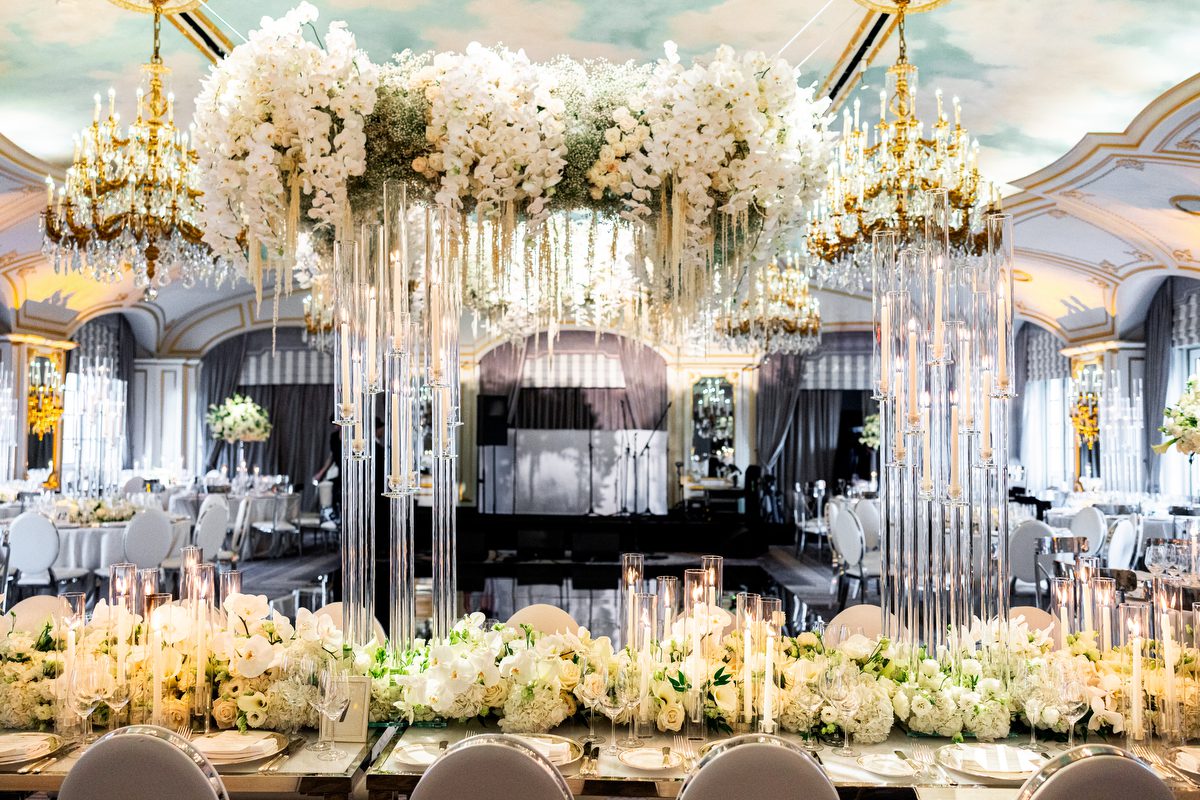
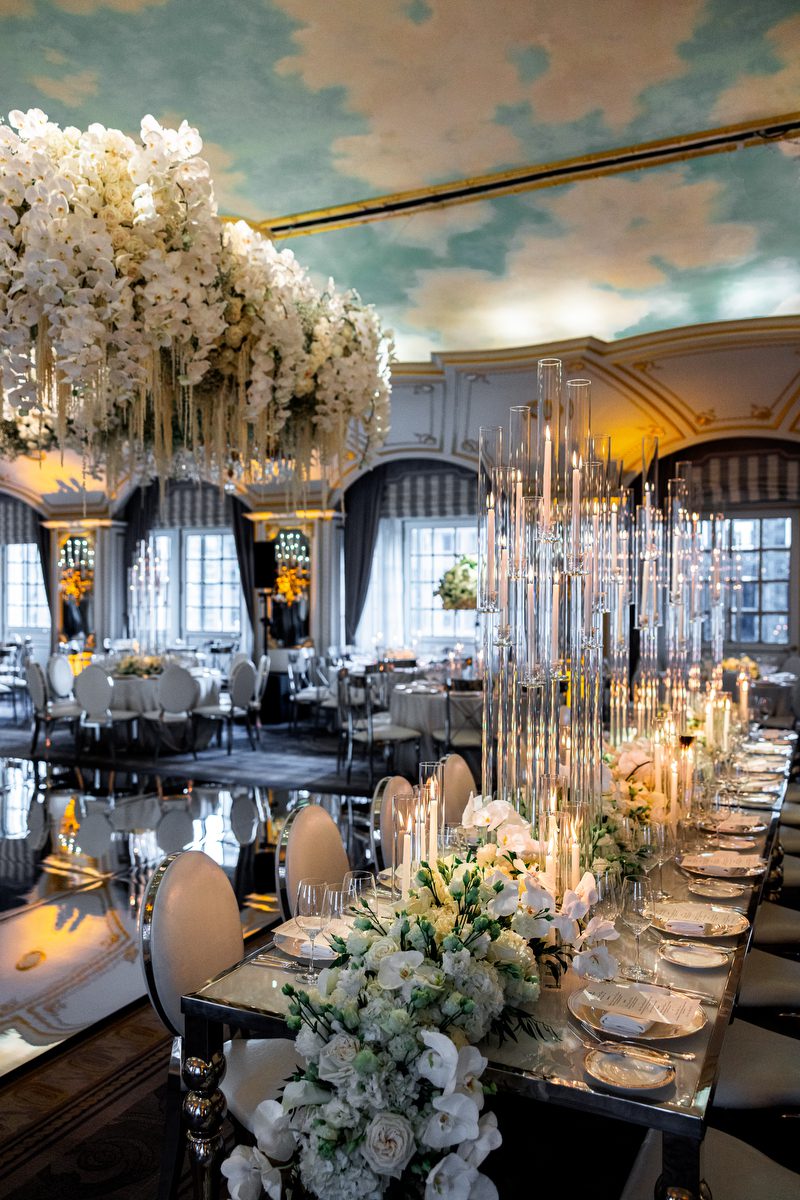
Almost every couple photo we have ever loved was taken in the half-second after we stopped giving direction. We will set up the light, point out the angle, get you into a frame — and then we will go quiet. The instinct in that silence is to look at us. Resist it. The single fastest way to feel confident in wedding photos is to forget the photo is happening.
Look at each other. Say something out loud, even if it is dumb. Lean in. Whisper the name of the venue and how strange it is that you actually own it for the night. Press your forehead against theirs. The lens is not the audience. The other person is.
Move
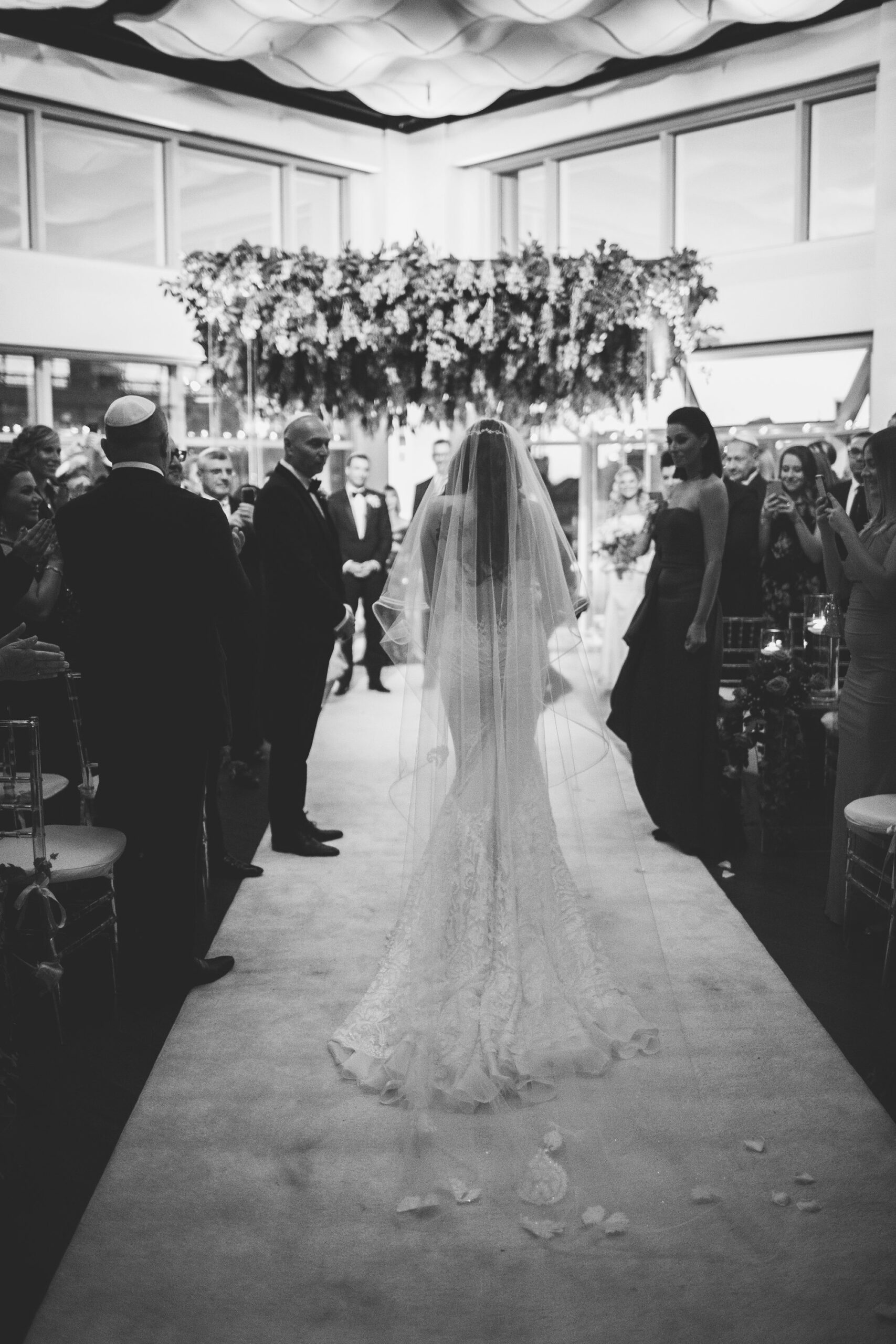
Stillness is the enemy of good photos. A couple who stands politely facing the camera looks like a couple posing for a camera. A couple walking, turning, hugging, laughing about how cold it is on the rooftop looks like a couple.
When in doubt, walk. We will say it out loud at least once during portraits: walk, hold hands, look at each other, walk again. It is not a magic trick. It is the simplest way to break the freeze. Movement equals moments, every single time.
Let It Be Imperfect
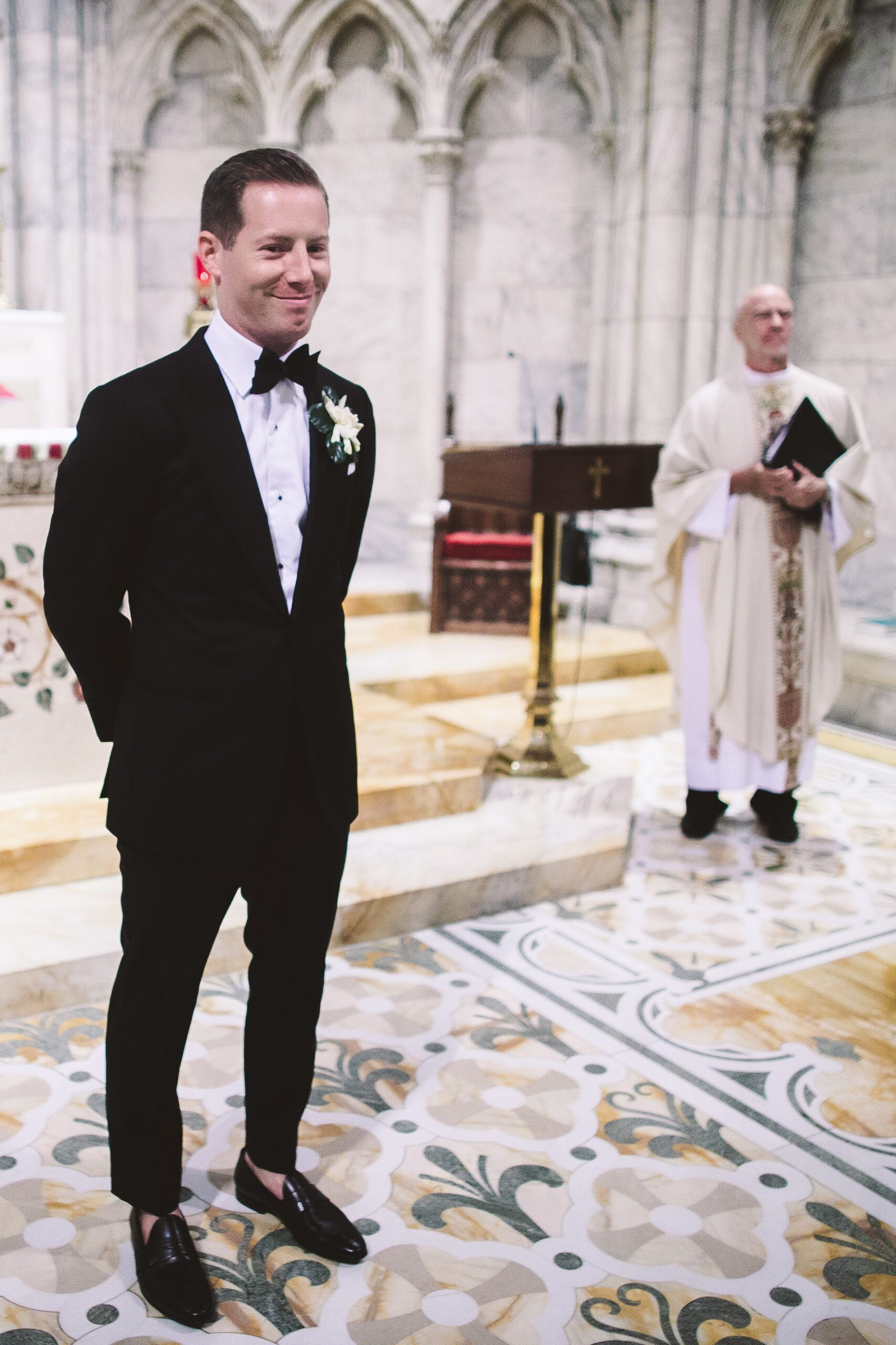
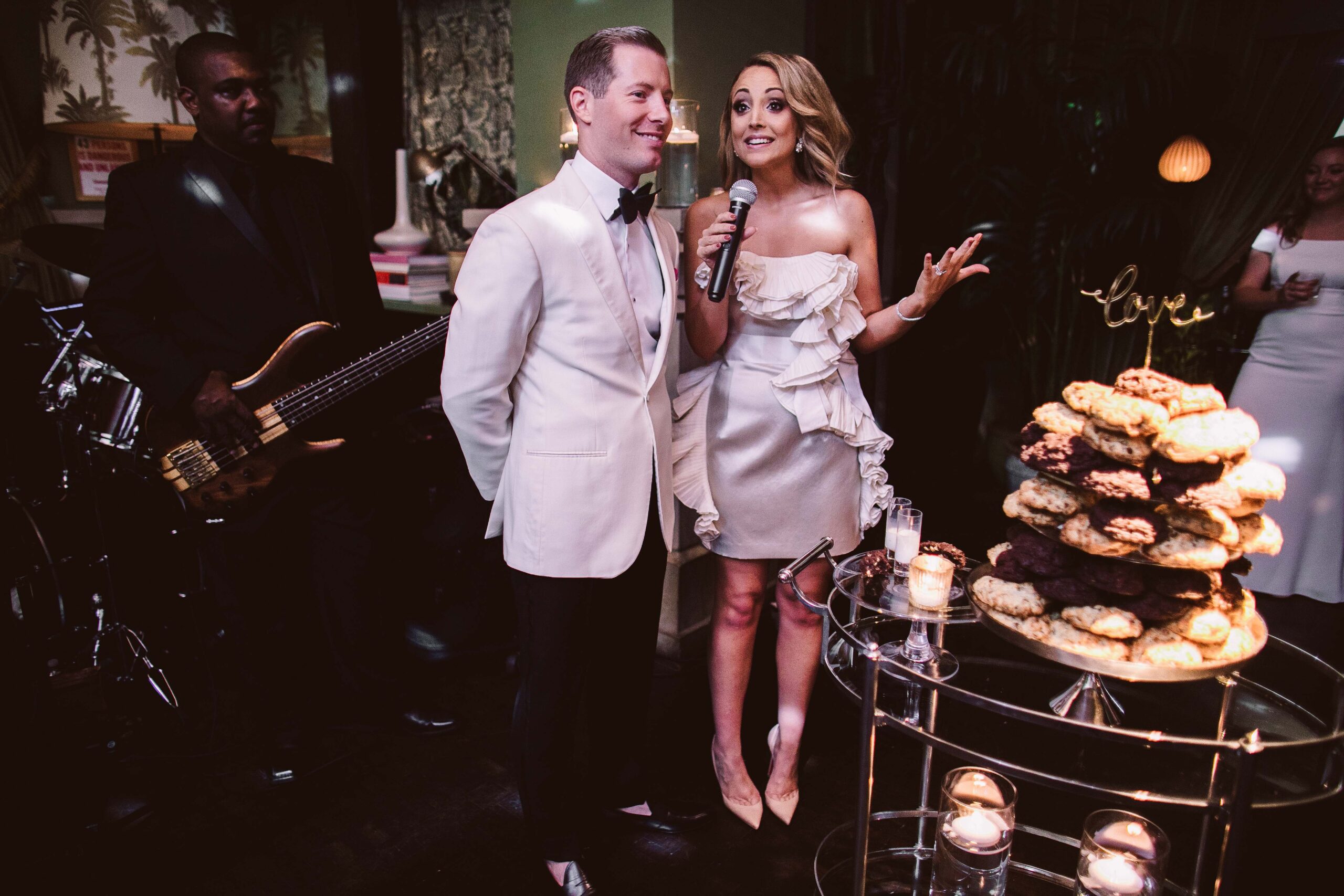
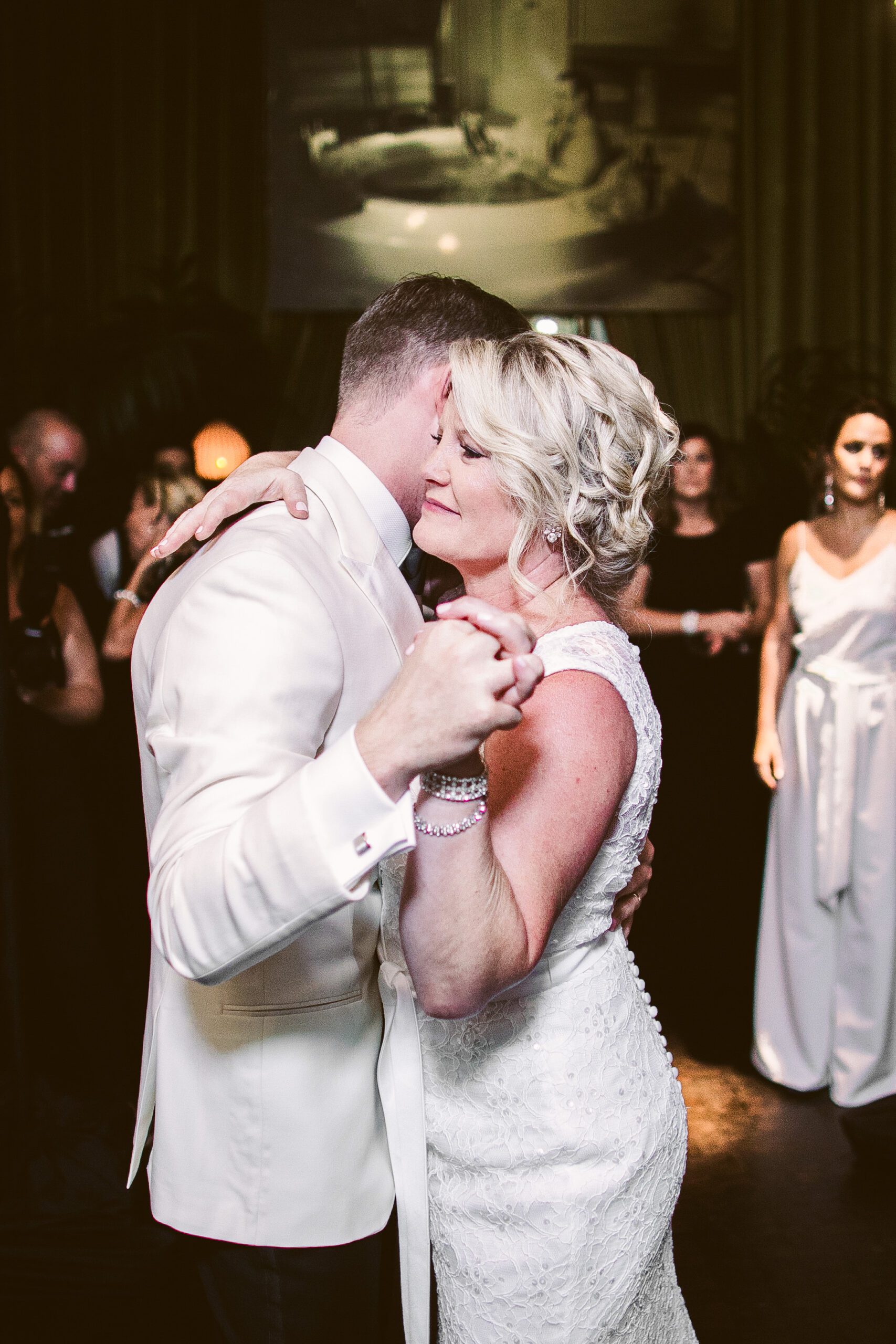
The last thing we tell every couple, usually right before we lift the camera for the first time on the wedding day: stop trying to look flawless. You will not. Nobody does, for ten straight hours. The eye is closed in one photo. The lipstick is on the teeth in another. The veil catches the wind sideways and someone behind you makes a face. Those photos are the ones you will frame.
The goal is not a perfect record of how you looked. The goal is a true record of how it felt. Trust us to find the second one.
One Last Thing on How to Feel Confident in Wedding Photos
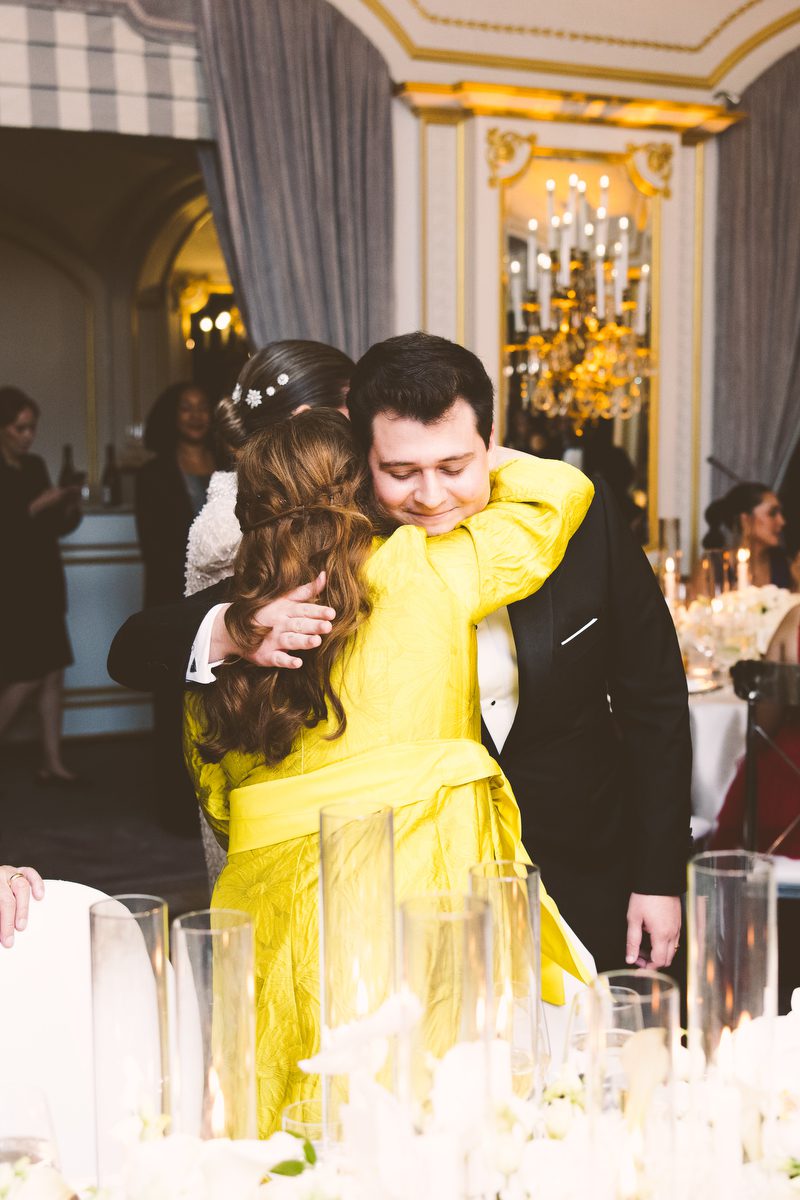
If you are reading this because you are a couple who hates being photographed, we promise the photographers worth hiring know how to work with that. Tell us in the first meeting. Tell us before the engagement session. Tell us the morning of the wedding if you have to. The job, on our side of the lens, is to help you feel confident in wedding photos by making the camera disappear long enough for you to be in the room. Everything else is light and time.
Planning your wedding in New York? We would love to talk. Reach out here and tell us what you are working on — even if you are months away from picking a photographer.
