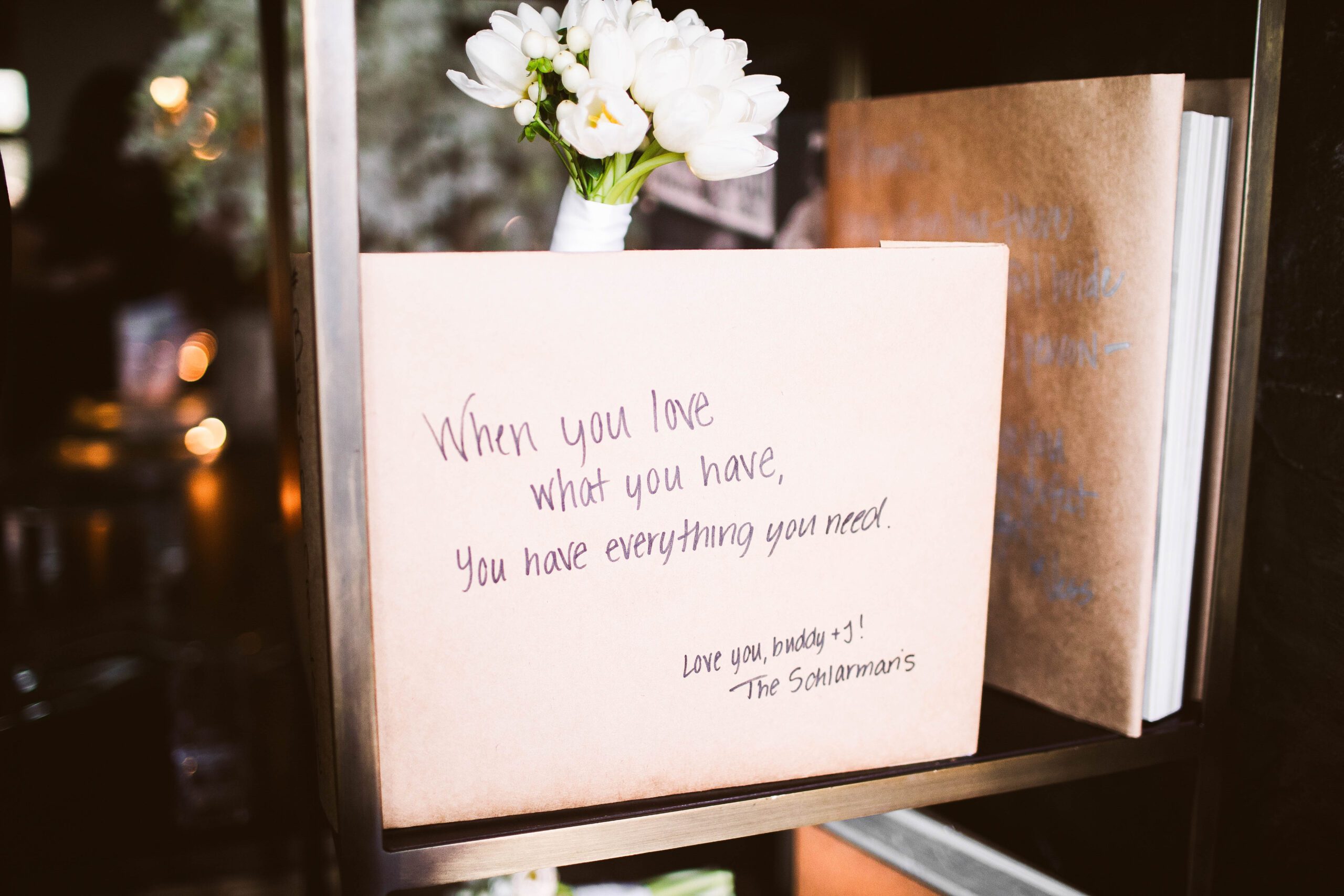
Tips for Polaroid Guestbooks for Weddings
Wedding Polaroid Guestbooks – Film Math and Creative Display Ideas
Polaroid guestbooks have really taken off at weddings, and it’s easy to see why. There’s something about mixing instant photos with handwritten notes that just feels special – like you’re bottling up the energy of your wedding day.
But how much film do you actually need? And how do you keep guests interested so every moment makes it into the wedding guest book? Getting that balance right can turn a simple guest book into something you’ll actually want to flip through years later.
And then there’s the fun part – how you show off the photos. Whether you go for a photo wall, a DIY scrapbook, or something totally offbeat, the way you capture memories and present them can make the wedding photo guest book a real highlight of your reception.
Why Choose A Polaroid Guestbook For Your Wedding?
A Polaroid guestbook bridges the gap between guests and couple – it’s such a nice touch seeing everyone’s faces and reading their notes and well wishes. It just hits different compared to a standard signature book.
Capturing Authentic & Candid Moments
Let’s be honest, instant film isn’t always perfect, and that’s kind of the point. People snap photos quickly, and you end up with goofy grins, inside jokes, and a bunch of special moments that feel real instead of staged. Those little imperfections? They’re what make the guest book feel alive.
You get the prints right away, so guests can stick them in the photo album on the spot. It’s a mash-up of heartfelt notes and spontaneous snapshots – no waiting for a photographer to deliver files weeks after the wedding date.
Some folks will pose solo, others will cram in for group shots, or just get silly with props. The result: a guest book that’s a snapshot of the day, in every sense, you can treasure forever.
A Personalized & Interactive Keepsake
Each page ends up being a little time capsule – part photo, part message. It’s hard not to smile when you see what people come up with, especially if you leave out colored pens, stickers, or even a few ridiculous props on the guest book table.
If you put a little effort into the setup, people get creative. Some couples go all out with themed backdrops or quirky prompts. The end result is less “list of names” and more “story of the night.” You’ll find doodles, inside jokes, heartfelt messages, and memories you’d never get from a traditional guestbook.
Engaging Entertainment For Your Guests
Let’s face it, waiting for dinner or the next speech can drag. The guest book station or photo corners give people something fun to do – posing, playing with props, seeing their photos develop with amazing quality. It’s a little break from the usual wedding routine.
Set up a table with everything guests need: cameras, enough film, pens, and a few instructions so nobody’s lost. People tend to jump in once they see how it works (and maybe after a glass of champagne or two). Best to make sure there’s enough blank pages to fill!
This isn’t just busywork – it’s a legit way to keep the celebration lively and collect memories at the same time. According to Brides, it’s a win-win: entertainment for guests, and a keepsake for you.
The “Film Math” Equation: How Much Film Do You Really Need?
Figuring out how much film to purchase for your special day isn’t rocket science, but it’s easy to mess up if you don’t think it through. Guest count, how many photos people will actually take, and a little extra for mishaps – all of it adds up.
Understanding Your Guest Count & Photo Expectations
Start with your guest list. But remember, not everyone takes a solo photo – couples and families usually group up. So, if you have 100 guests, you probably don’t need 100 shots.
A decent estimate: one photo per guest or couple, plus a bit extra. For example:
- 100 guests → about 70–80 photos
- 150 guests → about 110–120 photos
If you want a few extra prints for yourself (bride and groom), toss those into the total. Better to have a little too much than run out before the last table of wedding guests gets their turn.
Accounting For Retakes, Test Shots & Unexpected Surprises
Let’s be real, instant cameras can be a little finicky. People will want to redo blurry shots or just experiment. Kids might get their hands on the camera, or a group might decide to do a whole series of goofy faces.
So, add 10–20% more film to your estimate. If you plan for 100 photos, have enough for at least 110–120. That buffer can save you from running out halfway through the night.
Step-By-Step Film Pack Calculation
Here’s a quick breakdown. Each Polaroid film pack has 8 shots. So:
- Estimate how many pictures will be taken.
- Add 10–20% for retakes and surprises.
- Divide by 8 to get the number of packs.
Example:
- 120 expected photos + 20% (24) = 144
- 144 ÷ 8 = 18 packs
This way, you’re covered – without buying way more than you’ll use. Adjust if you’re on a tight budget or feeling lucky, but running out last-minute is a real mood-killer.
Budgeting For Film & Spare Batteries
Film isn’t affordable – Polaroid packs usually run $15–$20 each. For 15–20 packs, you’re looking at $225–$400. Ouch, but it’s the price for memories you get to keep forever.
Don’t forget batteries. Some cameras take AAs, others use film packs with built-in batteries. Either way, bring a spare set. The last thing you want is a dead camera when the dance floor heats up.
A little budget planning here saves panic later.
Setting Up Your Perfect Polaroid Guestbook Station
If you want guests to actually use the guest book on your special day, make it easy and inviting. The right setup means people won’t have to hunt for a pen or wait in line just to get their picture taken.
Essential Supplies Checklist
Here’s what you really need:
- Polaroid cameras (enough for your crowd)
- Film packs (see above for math)
- Guestbook or scrapbook with sturdy pages
- Pens and markers (go for fun color ones that don’t smear)
- Adhesives – double-sided tape or glue sticks
- Extra batteries or chargers
- Props or frames if you want to get playful
- Small trash bin for wrappers
- Hand wipes (film can be sticky)
- A backup camera (optional)
Double up on the high-use stuff – pens and washi tape disappear fast. Keep everything organized in baskets or trays on the guest book table. For bigger weddings, set up multiple photo corners. This guide has some good ideas for avoiding traffic jams.
Designing An Inviting & Functional Station
Pick a sturdy table with enough space to spread out. Too many decorations can get in the way, so keep it simple but welcoming.
Some couples go rustic with wood and greenery, others keep it modern and minimal. Whatever your vibe, make sure there’s room for guests to actually write and stick their photos in. This setup guide has a few practical tips.
Pre-Wedding Testing: Camera, Lighting & Adhesives
Do a dry run before the big day. Load the camera, take a few test shots. Test your adhesives, too – some glues wrinkle photos, and cheap tape can lose its grip. Double-sided tape squares usually work best.
Assigning A “Guestbook Helper” For Smooth Operation
Even the best setup can get bogged down if nobody’s there to keep things moving. Ask a friend, family member, or someone from your wedding party to be the “guest book helper.”
Their job?
- Show people how to use the camera
- Remind guests to sign and stick their photo on the personalized guest book
- Refill film and adhesives
- Keep the area tidy
It’s a small role but makes a big difference. Otherwise, you’ll end up with missing photos and a messy table by dessert.
Choosing The Best Instant Camera For Your Guest book
Not all instant cameras are created equal. Some are super easy for guests, others look cool but are a pain to use. The right camera depends on your priorities – size, print quality, cost, or just the vibe you’re after.
Fujifilm Instax Mini Series
The Instax Mini line (like the Mini 11 and Mini 12) is everywhere for a reason. They’re small, lightweight, and pretty much foolproof. The prints are credit card–sized, so they fit perfectly in most guest books.
Film is reasonably priced and easy to find. The only real downside is the small photo size – if you want big, bold images, you might want to look elsewhere. Still, for most weddings, the Instax Mini is a safe bet. Dan Finnen’s review breaks it down if you want more detail.
Fujifilm Instax Wide Series
Instax Wide cameras give you bigger prints – almost double the Mini size. That’s great for group shots or if you want guests to write a note on the border.
They’re a bit bulkier, so not as easy to pass around. The film costs more, but the impact is worth it if you want your guestbook to really pop. Bustle’s camera guide gives the Wide series high marks for photo quality.
Fujifilm Instax Square Series
The Instax Square (like the SQ1) splits the difference – photos are bigger than Mini, smaller than Wide, and have that classic square look. They’re easy to use, and the film cost is somewhere in the middle.
Some models adjust exposure automatically, which helps guests get decent shots without fiddling with settings. If you want a balance of style and practicality, this series is worth a look.
Polaroid Go & Classic Polaroid Models
Polaroid’s Go is tiny and makes adorable mini prints. It’s fun for quick snaps, but the photos are really small – maybe too small if you want to see details.
Key Features To Consider
When picking a camera, couples should weigh film size, cost, and availability. Larger prints can look fantastic in a guestbook, but they’ll bump up your expenses. Smaller prints, on the other hand, keep things budget-friendly and you can fit more on each page.
Ease of use is a big one, too. Cameras with automatic flash and exposure settings make life easier – especially for guests who haven’t touched instant film since the ‘90s (or ever).
Don’t overlook the little things: battery type, how you load the film, and how easy it is to get refills. Also, think about whether you want guests to write on the photos themselves or leave messages separately; that might sway your choice of film size or album layout.
Creative Polaroid Guestbook & Display Ideas For Your Wedding
There’s something special about capturing those unscripted moments with Polaroids. Couples can turn these snapshots into a display that feels uniquely theirs. You’ve got options – from classic albums to interactive walls, or even quirky themed setups that get everyone involved.
Book-Based Keepsakes
The classic move? Scrapbook-style guestbooks. Guests snap a Polaroid, slap it into the album, and jot down a quick note. It keeps everything tidy and easy to flip through later.
Wall & Hanging Displays
Instead of hiding the photos away, lots of couples hang them up during the wedding. String up some twine and let guests clip their shots as the night rolls on. It turns into a live gallery, and people love checking it out.
Unique Container Concepts
If albums and walls aren’t your thing, just toss the Polaroids in a container – think a big glass jar, a wooden box, or maybe a vintage suitcase. It doubles as decor and storage.
Interactive & Themed Experiences
Want to get guests more involved? Some couples add little challenges – take a photo with a stranger, or re-create a favorite moment. Prompts like these make the photos more lively and unpredictable.
Post-Wedding Transformations
After the wedding, you can do a lot with those Polaroids. Some people frame a collage of their favorites, turning it into instant wall art.
Expert Tips For A Seamless Polaroid Guestbook Experience
Optimizing Lighting For Perfect Shots
Lighting makes or breaks instant photos. Polaroids love bright, natural light, but let’s face it – lots of venues are dim, especially in the evening. Try to set up your guestbook station near a window during the day, or bring in some soft, indirect lighting at night.
Troubleshooting Common Camera & Film Issues
Polaroid cameras are pretty simple, but not everyone’s used them. Expect the occasional film jam, blank photo, or blurry shot. Having a quick printed guide with step-by-step instructions nearby can save a lot of film (and frustration).
Encouraging Guest Participation & Creativity
Some guests need a nudge. Clear signs, visible instructions, and a guestbook table in a high-traffic spot (like near the bar or entrance) make a difference.
Integrating Your Guestbook With Your Wedding Theme
A Polaroid guestbook looks best when it fits in with your wedding style. Rustic weddings? Go for wood crates, twine, or greenery. Modern events might lean on acrylic stands or metallic touches.
Beyond Weddings: Using Polaroid Guestbooks For Other Events
These guestbooks aren’t just for weddings. They’re great for birthdays, anniversaries, baby showers, retirement parties – you name it. Guests get to snap candid shots and leave notes that match the mood of the event.
Frequently Asked Questions
How many Polaroid films should I buy for a wedding with 100 guests?
Plan on at least one photo per guest, plus a cushion for retakes. For 100 guests, 120–150 films is usually a safe bet. That way, you’ll have enough for both solo shots and groups.
What are creative ways to display Polaroid photos at a wedding reception?
String lights with clips, wooden boards, or wire grids are all popular. Some couples go for a Polaroid photo wall or family tree display that doubles as decor. Frames, shadow boxes, or tabletop easels work if you want something more structured.
Can guests write messages on Polaroid pictures, and if so, how?
Absolutely. Guests can write right on the white border of the print with fine-tip permanent markers. Or, provide a guestbook where they tape in the photo and write a note next to it.
What is the best way to ensure all guests take a Polaroid photo for the guestbook?
Put the photo station somewhere central and obvious. Clear signs and simple instructions make a big difference. Sometimes it helps to have a friend or attendant reminding people and helping with the camera.
How long does it take for Polaroid photos to develop at a wedding?
Most new Polaroid and Fujifilm Instax films develop in 90 seconds to about 5 minutes. Best practice: keep the photo face down on a flat surface while it develops so you don’t smudge it.
Are there alternative film options to Polaroids that work for guestbooks?
Yeah, Fujifilm Instax is a solid pick – lots of people like it since you still get those instant prints and the film’s pretty easy to find. Honestly, some folks skip the camera entirely and just set up a little instant printer that hooks up to a smartphone. That way, guests can snap pics on their phones and print them right there for the guestbook. It’s kind of fun, and you don’t have to worry about running out of film mid-party.
Related Reading