
NYC wedding photography planning guide
Do you need a second photographer for your wedding? Not automatically. You need enough experienced coverage for the moments that happen at the same time, in the spaces where they happen, without turning the day into a production.
In New York, the right answer depends less on a package name and more on logistics: separate preparation locations, guest movement, room layout, cultural traditions, transportation, portrait timing, and which reactions matter to you. One excellent photographer can cover a focused wedding beautifully. A coordinated second photographer becomes valuable when the timeline asks one person to be in two places at once.
Planning guidance reviewed September 10, 2026. Julian Ribinik Studios has photographed weddings and events since 2007.
Quick answer: Hire a second wedding photographer when important moments overlap, partners prepare in different locations, the ceremony has restricted movement or multiple useful perspectives, or portraits must happen while guest and room coverage continues. One photographer may be enough for an intimate, single-location wedding with a calm timeline and no simultaneous must-have coverage.

When a second wedding photographer earns their place
A second photographer is most useful when they receive a clear assignment that the lead photographer cannot perform at the same time. The purpose is not to create twice as many files. It is to preserve more of the wedding’s relationships and geography without pulling the lead away from the central story.
Simultaneous preparation
Partners getting ready in different hotels, suites, or neighborhoods need separate coverage if both stories matter and travel cannot fit the timeline.
Reactions and context
One photographer can hold the primary moment while the other watches parents, friends, the wedding party, and the room responding to it.
Coverage during portraits
While the lead handles family or couple portraits, the second photographer can document cocktail hour, guest interactions, and the finished reception room.
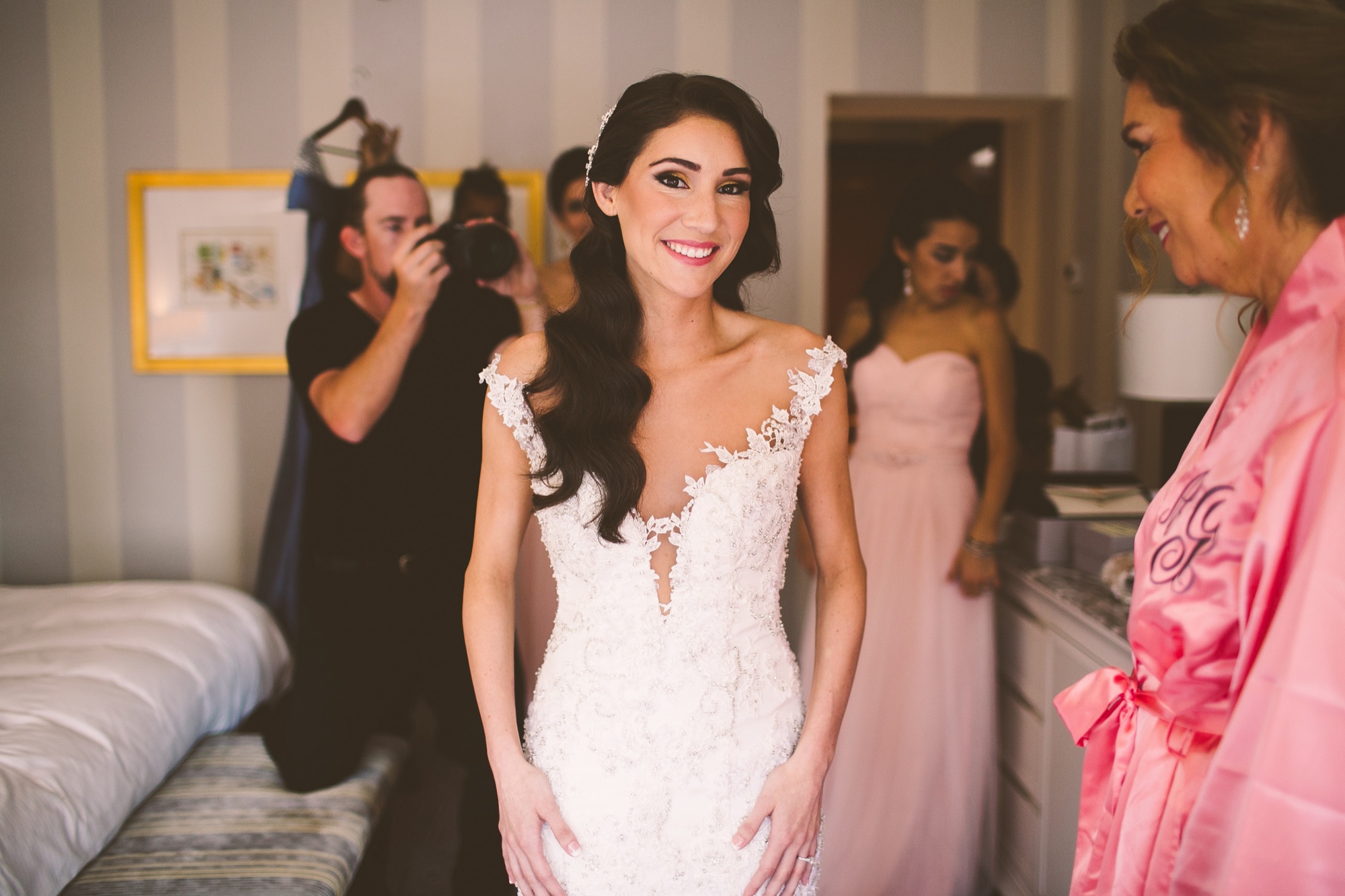
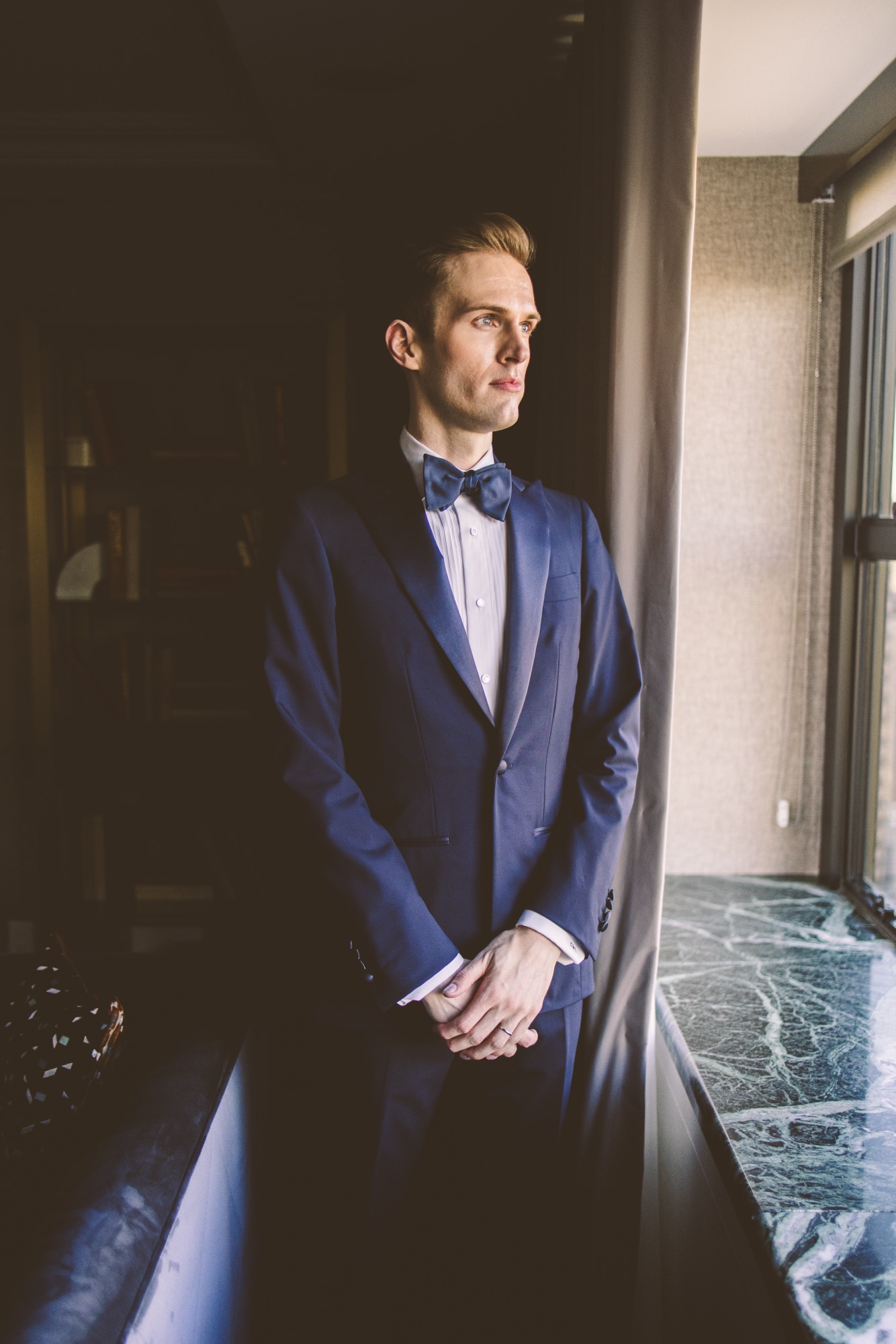
One photographer versus two: a practical comparison
| Wedding plan | Usually sufficient | Why |
|---|---|---|
| One venue, one preparation area, intimate guest list, relaxed timeline | One experienced photographer | The story is concentrated and the important events do not compete for coverage. |
| Two preparation locations with overlapping schedules | Two photographers | Both partners can be photographed without compressing preparation or adding stressful travel. |
| Large ceremony with a long processional or restricted aisles | Often two photographers | One can protect the primary ceremony angle while the other covers processionals, reactions, and room context. |
| Family portraits during cocktail hour | Often two photographers | Portraits and guest coverage continue at the same time, and the finished room can be photographed before entry. |
| Several floors, rooms, or venue transitions | Often two photographers | Coverage does not disappear while the lead moves between spaces or manages formal photographs. |
| Short city hall ceremony followed by portraits | Usually one photographer | The day has a clear sequence and one photographer can stay close to the complete story. |
These are planning patterns, not automatic rules. The photographer should review the actual timeline, addresses, access restrictions, and priorities before recommending staff.
NYC details that change the answer
Travel is real coverage time
A ten-minute map estimate can become much longer when elevators, hotel security, loading access, traffic, curb restrictions, and walking with equipment are included. If both partners want preparation coverage in different places, a second photographer may be more useful than adding extra hours to a schedule that still asks one person to commute during meaningful moments.
Some venues divide the wedding across several spaces
Manhattan hotels and event venues can move guests through suites, lobbies, terraces, ceremony rooms, cocktail areas, and ballrooms. The lead photographer may be finishing family portraits while another photographer covers the room reveal or guests arriving upstairs. Our Manhattan wedding venue guide explains why room flow and rain plans should be considered before the timeline is final.
Ceremony movement may be restricted
Cathedrals, synagogues, and landmark spaces may limit where photographers can stand or when they can cross an aisle. Two planned positions can provide a complete visual record without creating visible movement during the ceremony. This only works when both photographers understand the rules and do not chase the same frame.
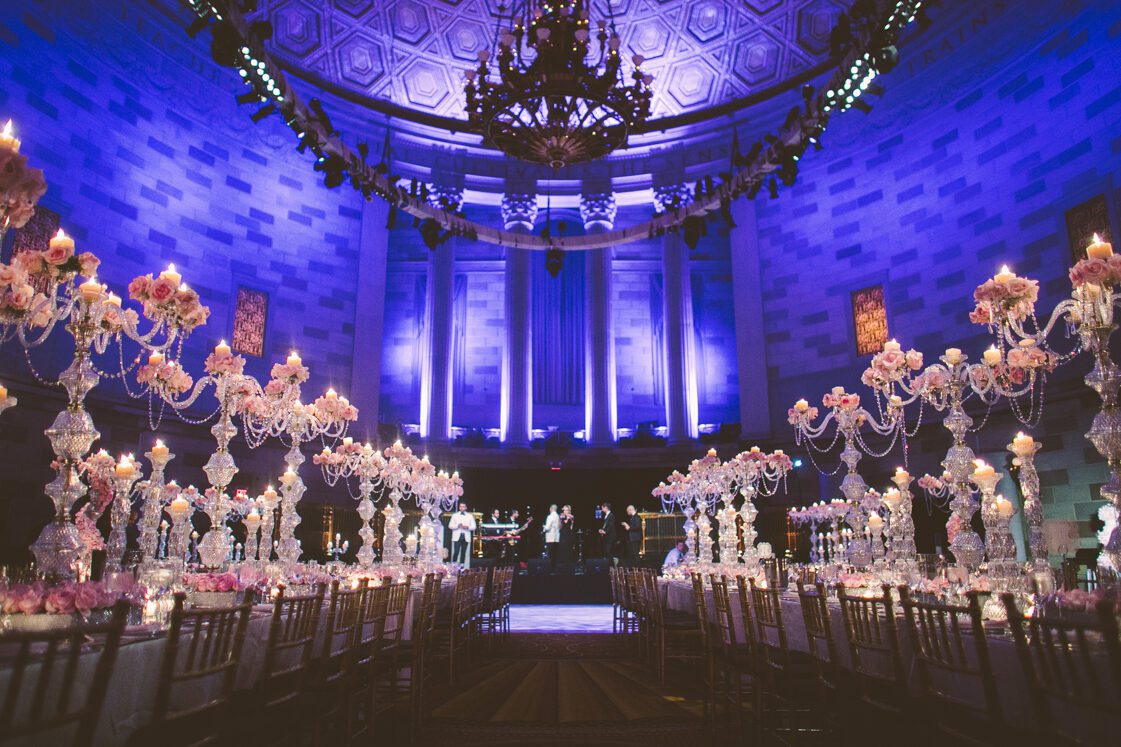
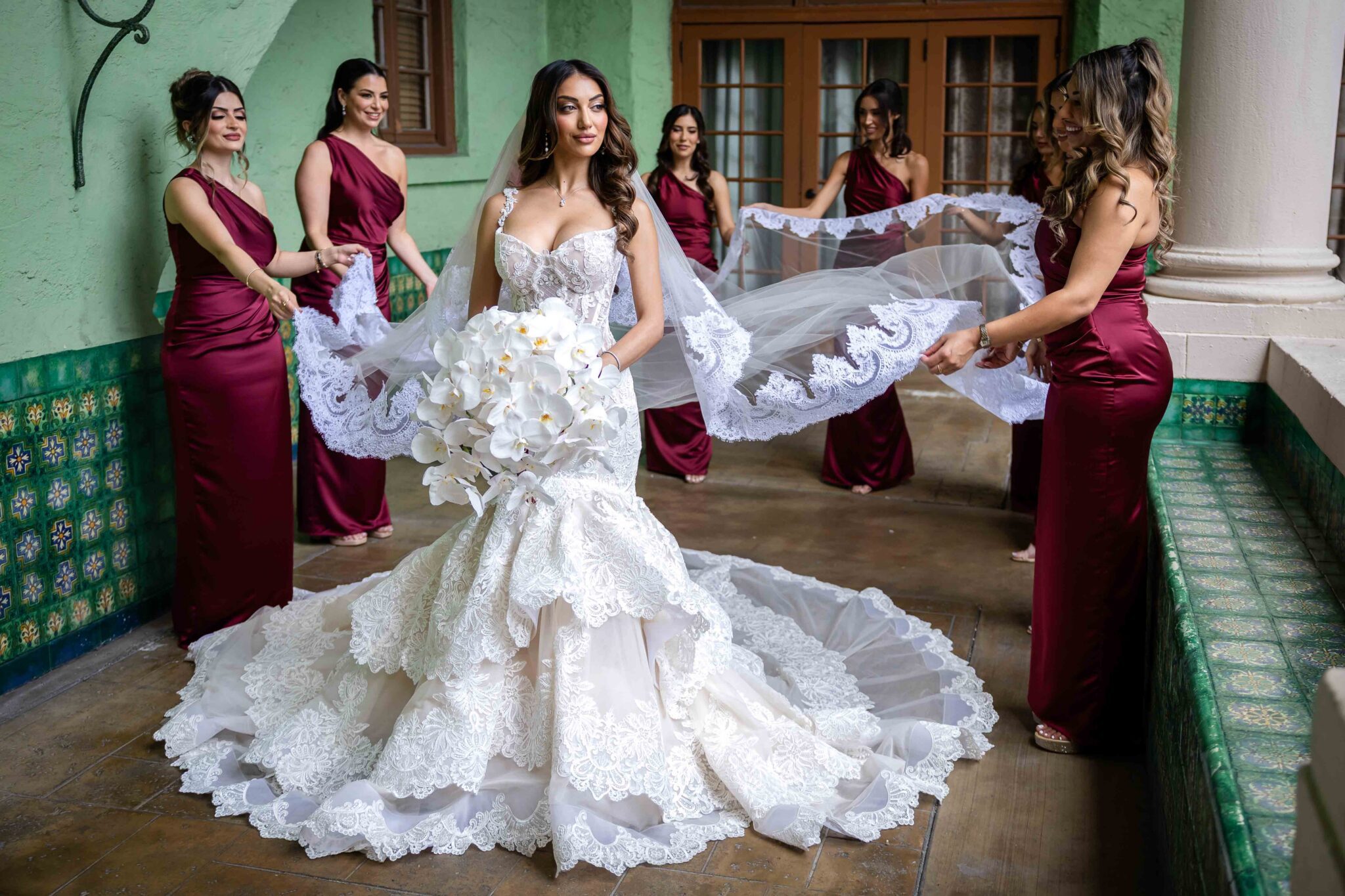


What a good second photographer actually does
A second photographer is not an unassigned person carrying another camera. They work from the lead photographer’s plan and visual priorities. Before the wedding, the team should know who covers each preparation location, where each person stands during the ceremony, who protects the room photographs, how family groups will be handled, and when both photographers should return to the same space.
The lead photographer remains responsible for direction, visual consistency, final selection, and the finished gallery. The second photographer covers specific perspectives and events without giving contradictory instructions. Their files should feel like another chapter of the same story, not a separate photographer’s portfolio dropped into it.
A useful test
Write down the moments you would be upset to miss. If two or more of them happen at the same time in different places, that is a real argument for a second photographer. If the list follows one clear sequence and everything happens in one compact setting, the better investment may be more time with one strong lead photographer.
What a second photographer does not guarantee
Two photographers do not automatically mean twice as many useful photographs, better work, or complete protection from poor planning. Without defined roles, two people can block one another, duplicate the same angle, interrupt the ceremony, or give competing directions. Team quality and coordination matter more than the head count printed in a collection.
A second photographer is also different from a photography assistant. An assistant manages lighting, equipment, transportation, and production support. A second photographer creates images. One person may occasionally perform both roles, but couples should know what has actually been promised.

Questions to ask before adding a second photographer
Ask who the second photographer is, how often they work with the lead, whether their coverage is assigned in advance, who edits and owns the final files, and whether the recommendation is based on your actual timeline. A thoughtful studio should also be willing to say when a second photographer is unnecessary.
For a broader look at hours, team size, and what shapes a collection, read our NYC wedding photographer cost guide. If you are also planning film coverage, the NYC wedding photography and videography guide explains how still and motion teams share positions, sound, and the timeline.
Second wedding photographer FAQ
Do you need a second photographer for your wedding?
You need a second photographer when important moments overlap, preparation happens in different locations, the ceremony benefits from protected positions, or portraits must happen while guest and room coverage continues. A focused single-location wedding may be covered completely by one experienced photographer.
Is a second wedding photographer worth it?
It is worth it when the second photographer has a defined job that the lead cannot perform at the same time. It is not automatically valuable when both photographers would be standing together making nearly identical frames.
How many wedding photographers do we need?
Most weddings need either one strong lead photographer or a coordinated two-photographer team. The correct number follows the timeline, locations, room layout, ceremony rules, guest movement, and the moments you consider essential.
Do we need two photographers for a large wedding?
A large guest count can support adding a second photographer, especially when family photographs, cocktail-hour coverage, room details, and guest reactions overlap. Guest count alone is not enough; a compact, well-paced event may still be handled by one experienced lead.
Do we need two photographers if we are getting ready in different places?
Often, yes, when both preparation stories matter and the schedules overlap. Two photographers avoid rushing one partner’s coverage or losing meaningful moments while the lead travels across the city.
Will a second photographer give us twice as many photos?
Not necessarily. A carefully edited gallery should prioritize meaningful, distinct photographs rather than file count. The value of the second photographer is simultaneous perspective and continuity, not duplication.
Is a second photographer the same as an assistant?
No. A second photographer creates photographs. An assistant supports equipment, lighting, transport, and production. Ask which role is included because the responsibilities are different.
Who directs family photos when there are two photographers?
The lead photographer should own the portrait plan and direction. The second photographer may organize the next group, watch for interactions, or cover cocktail hour, but competing instructions waste time and confuse families.
Can we add a second photographer later?
Often, subject to availability and the studio’s contract. Decide early enough for the team to review the timeline and assign coverage rather than treating the second photographer as a last-minute extra.
How does JRS decide whether a wedding needs a second photographer?
Julian Ribinik Studios reviews the addresses, timeline, ceremony rules, venue layout, traditions, portrait plan, guest movement, and the couple’s priorities. The recommendation is based on the work the day requires, not a blanket package rule.
Related planning: explore the Manhattan wedding venue guide, compare NYC wedding photography costs, or see how photography and cinema teams work together.

